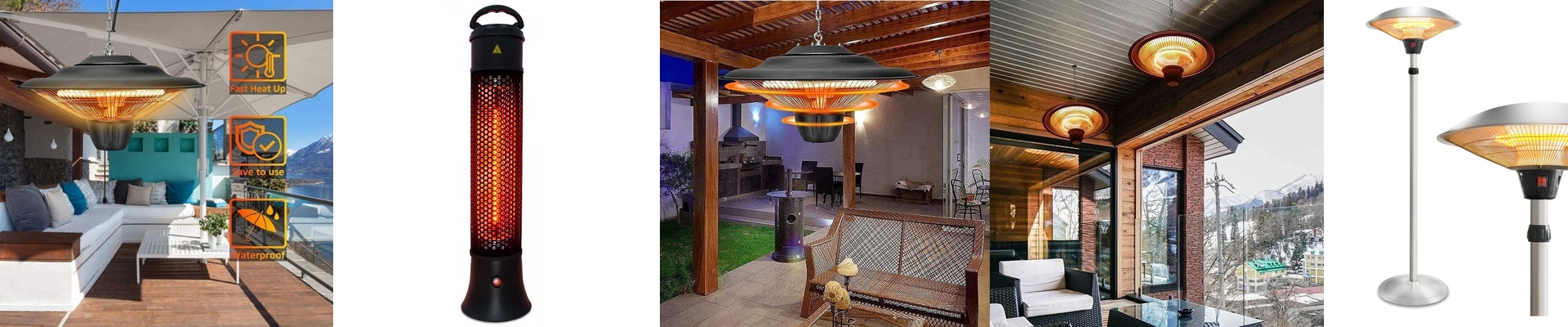



Step off the field after a winter session and you know the feeling—muscles soaked with cold, stiffness that makes every step a chore. Forced-air heaters warm the room, sure, but they take forever and leave the air bone-dry. What you need is heat that gets straight to the tissue, loosens things up, and gets you moving again.
What matters, technically
Infrared space heaters work on radiant heat, not convection, so the energy cuts right through the air and soaks in on contact. We lean on short-wave infrared tubes that put out a focused spectrum, much like natural sunlight, and that penetration runs about two inches below the skin. The payoff is warmth you feel immediately—no fan noise, no draft from blowers.
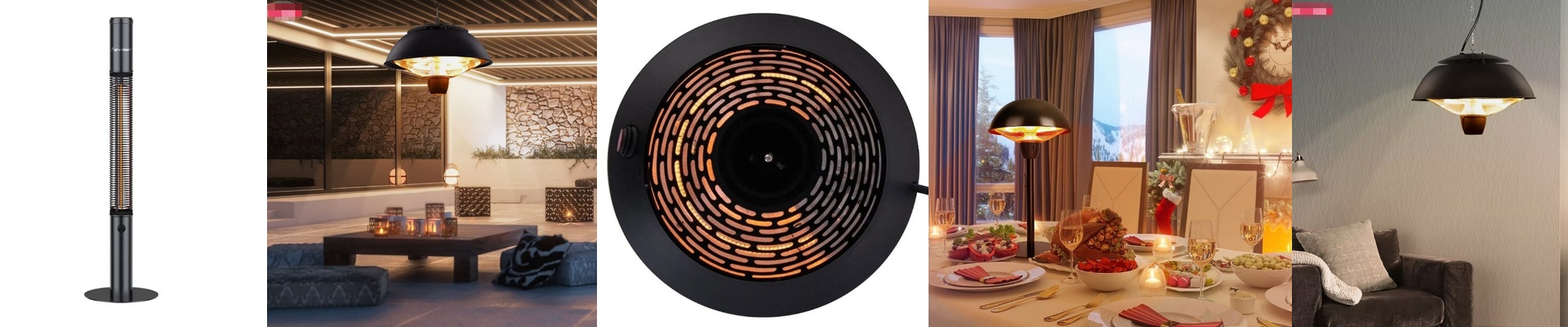
A 1500-watt element paired with a reflective parabolic housing keeps the intensity steady across roughly 15 square feet, and a built-in thermostat holds the output at a comfortable level.
Why it works in practice
When muscles are cold, blood flow slows and recovery drags out. Infrared warmth flips that script. It promotes vasodilation, which boosts circulation and helps clear metabolic waste from fatigued tissue. For minor strains, that local blood flow supports the body’s own repair work, so you can get back to training sooner.
Because the heat is directional, you can aim it right where you need it—tight shoulders, stiff calves, a tender back—without turning the whole room into a sauna. Athletes tell me they start to relax within minutes, not after a long wait.
The details that make it work
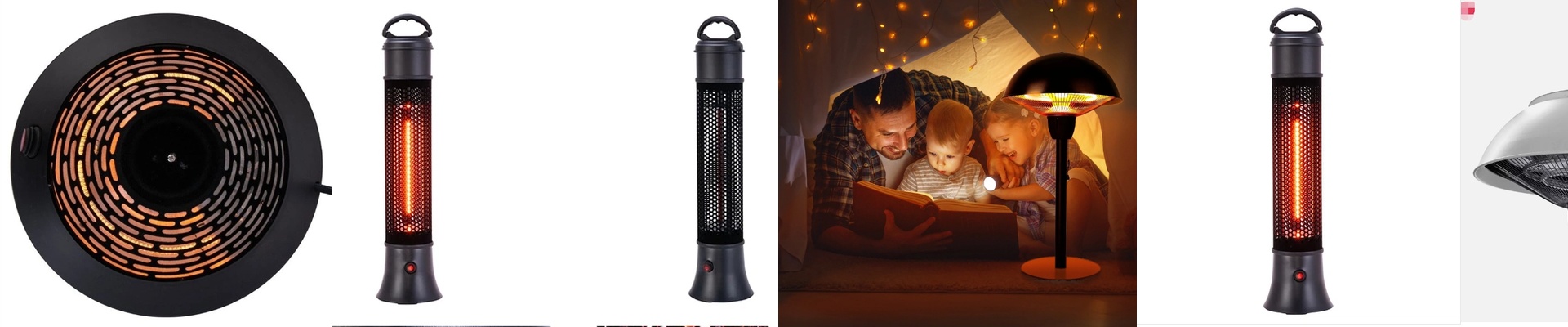
Infrared heaters are straightforward, but they need line-of-sight and a sensible distance. Keep the unit about 2 to 3 feet from the body for comfortable exposure, and avoid looking straight into the element—it’s bright.
Most models are built for indoor use, so if you’re thinking about a spot near a garage doorway or a covered patio, check the IP rating. For longer therapy sessions, we run the heater 15–20 minutes, then take a short break to keep the skin from overheating.