
What We Were Actually Trying to Build
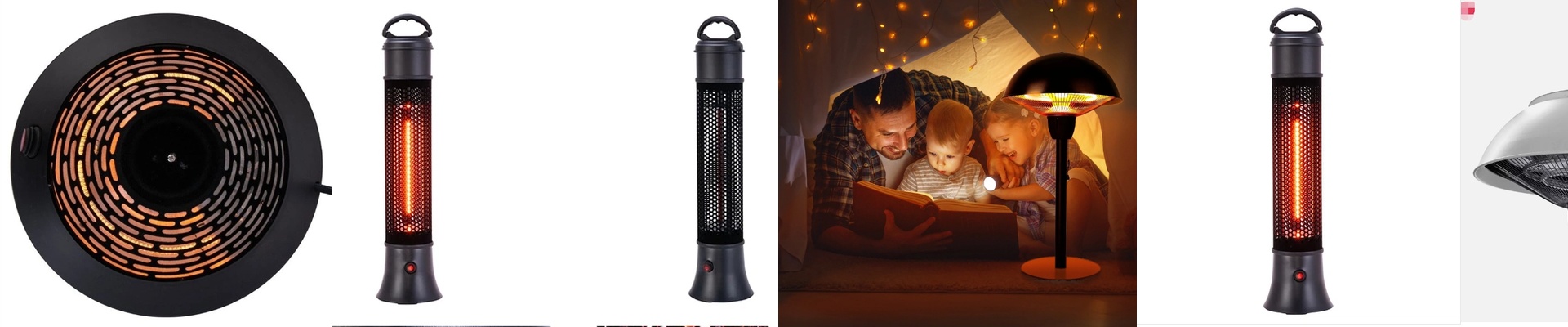
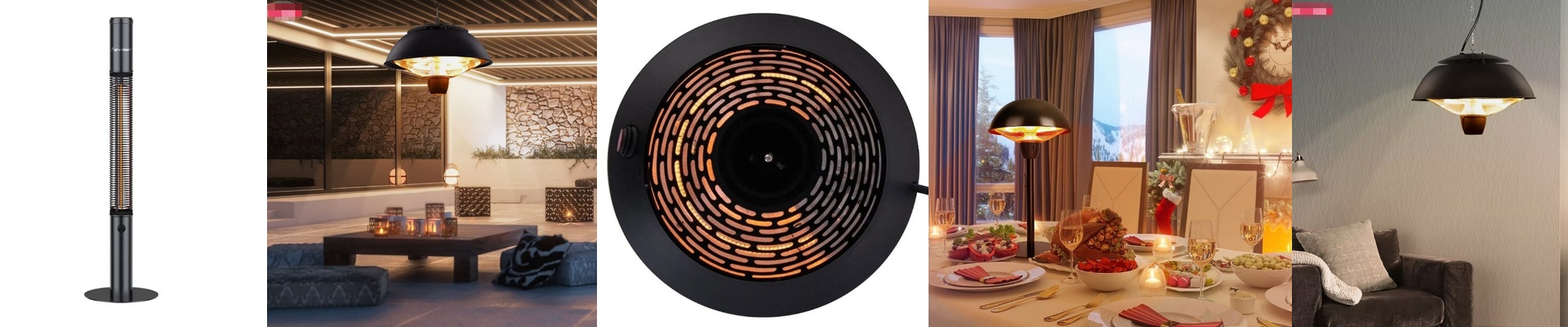
Here’s the heart of it: we wanted a heater that throws off serious heat, but stays small and focused. So we built this around a clear idea—localized, high-intensity warmth in a tight footprint. That 2500W rating on a 400V circuit? It wasn’t chosen on a whim. It’s there to pack in the heat density so the unit warms up fast and keeps a steady output. And the 300mm tube length? That’s a sweet spot—enough radiating surface to do the job, without eating up space. Perfect when you’re working with snug, decorative enclosures.
The Materials, and Why They Matter
Inside, you’ve got a shortwave halogen element sitting in a quartz tube. Quartz earns its keep by handling the shock of quick on/off cycles without cracking, unlike regular glass. And that halogen cycle? It keeps the filament stable, so you don’t get the blackening that kills output over time. The lamp stays bright, for longer. For the base, we went with an R7s bi-pin design. It’s simple, it’s tool-free, and it means replacement is a straight drop-in. On the shop floor, that means less downtime when a part needs swapping.
Where It Shines—and What to Keep in Mind
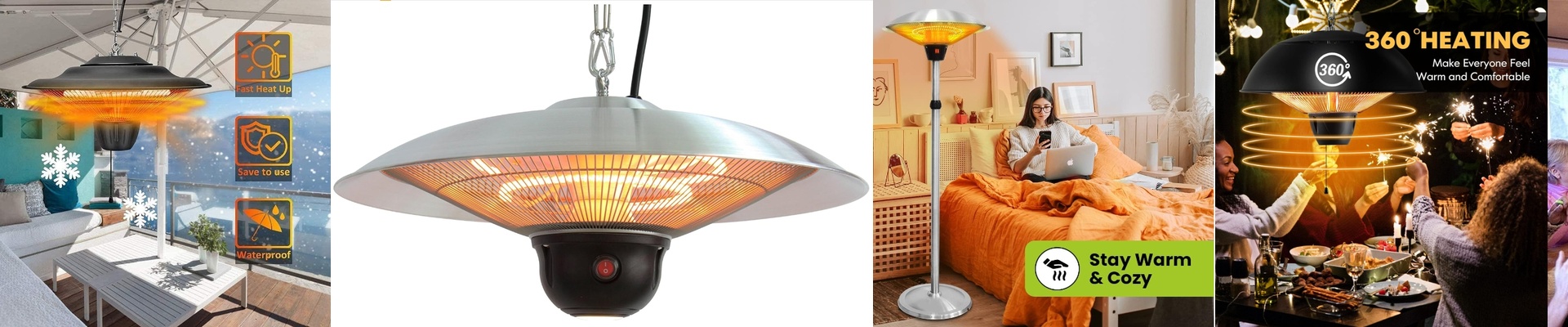
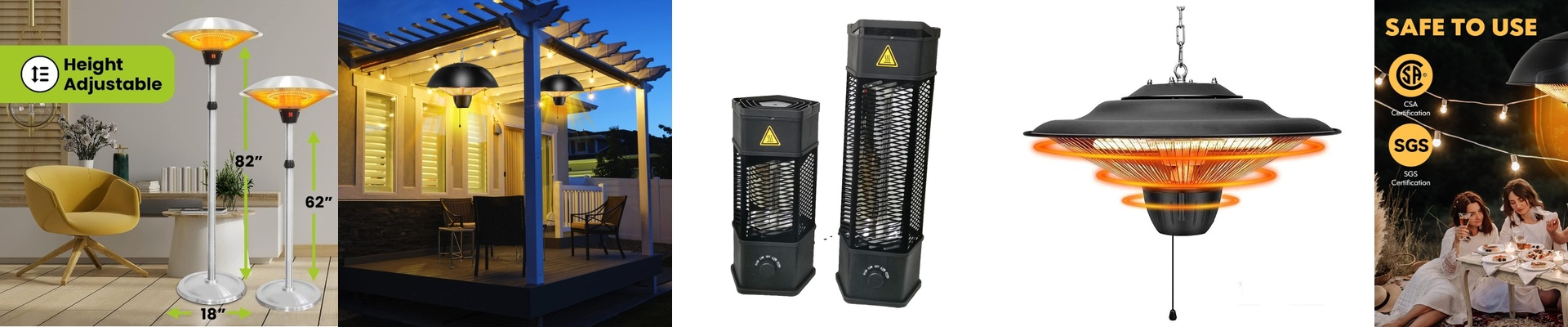
This setup was made for places where looks and performance have to play nice together. The heat is radiant, so it warms objects and people directly, instead of heating all the air around. That’s a smarter way to work—and it cuts down on wasted energy. But, and this matters: that power density means you need proper thermal management. Make sure the cooling system can handle the rise in ambient temperature. The upside for you? A dependable heat source that’s easy to wire and easy to keep up, even when you’re squeezing it into a compact, decorative build.