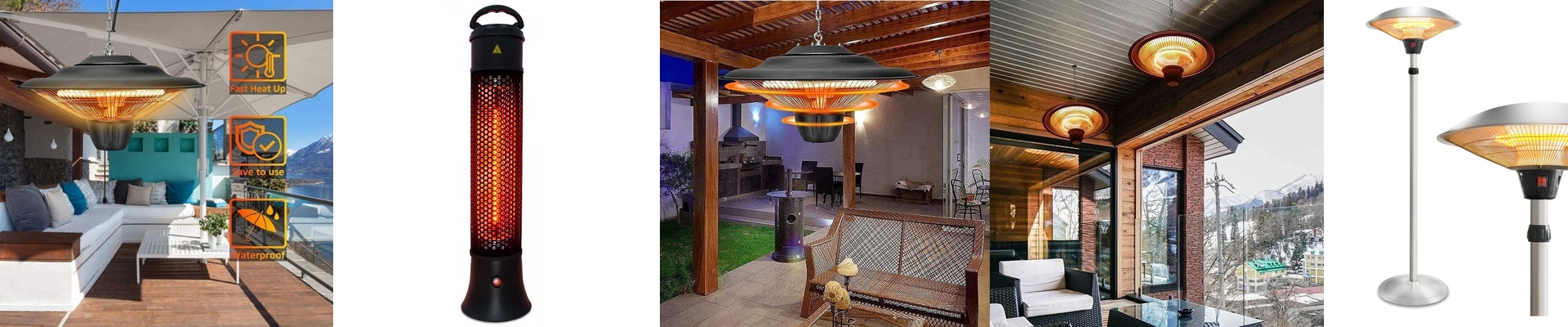
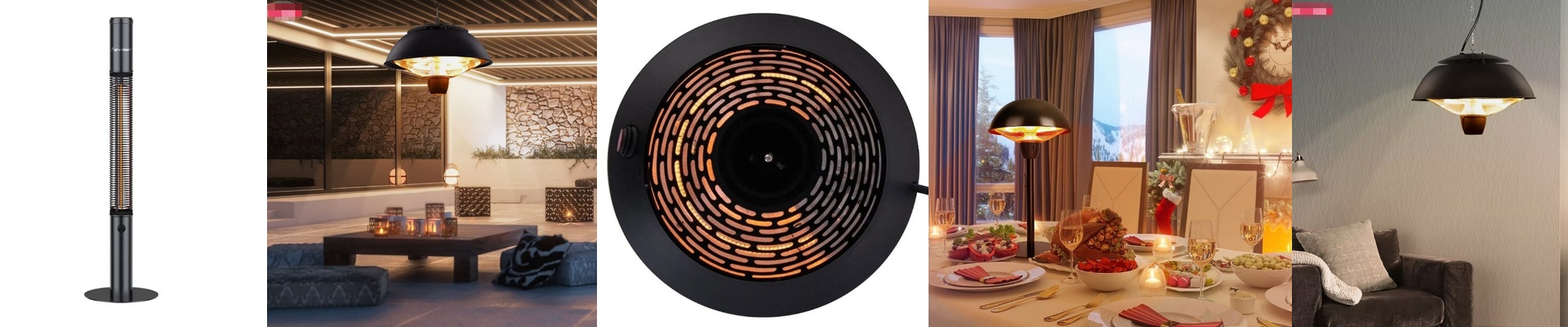
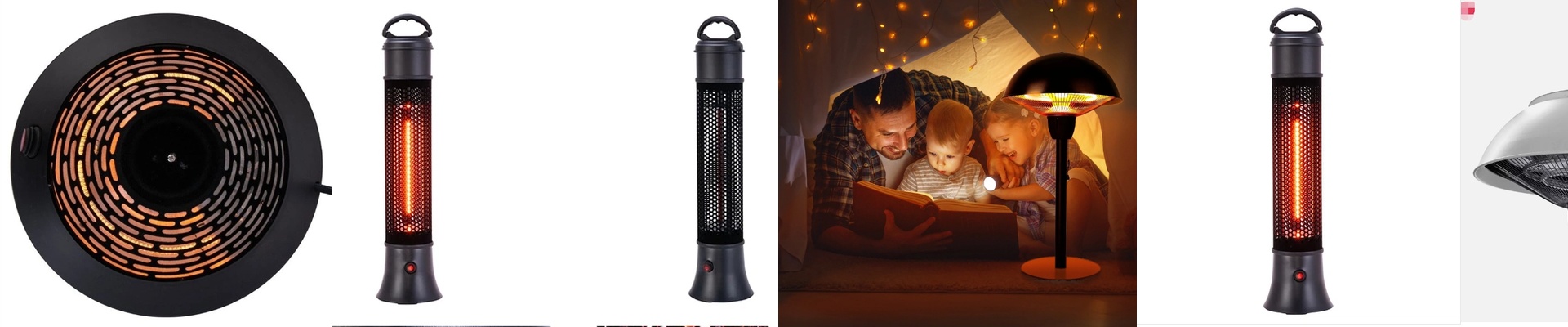
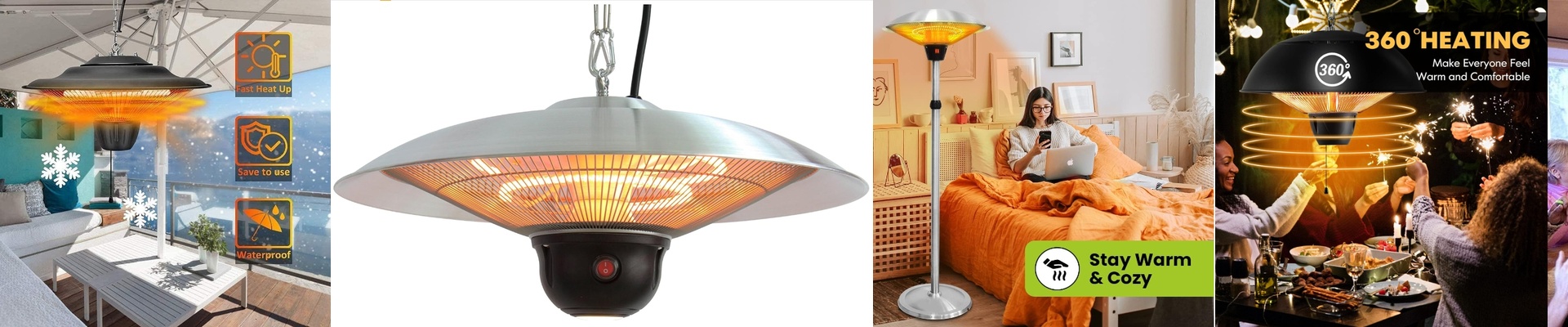

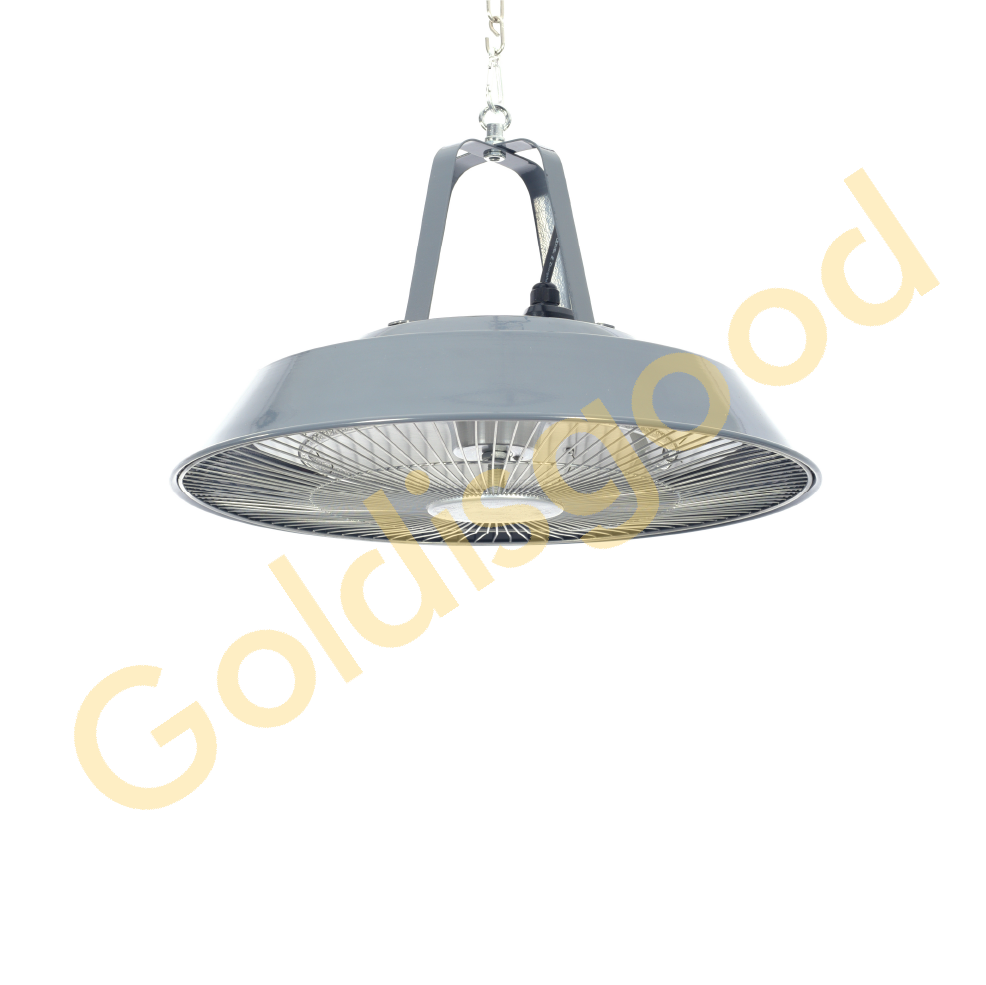
If your winter nights turn into a tug-of-war between comfort and the electric bill, the heater you choose is the difference-maker. Electric oil-filled radiators warm the air first, then let it slowly drift around the room. Infrared electric heaters take another route—they deliver warmth straight to people and surfaces, the way the sun does. That shift shows up fast: you feel warm sooner, and it takes less energy to hold that feeling. What actually matters, technically Infrared heaters deliver radiant heat through a high-efficiency emitter, usually a carbon fiber element or a quartz tube, tuned for strong infrared output. Instead of heating the whole volume of air, the unit transfers energy directly to objects and skin, so the air stays calmer and the heat feels more steady. Many models run on a standard 120V outlet, draw between 600W and 1500W, and come with a built-in thermostat plus tip-over protection. If you’re running an outdoor or damp-area heater, the IP rating tells you whether it’s protected against dust and water spray. Why this works in real rooms (and on real bills) Compared with electric oil-filled radiators, infrared units can hit that comfortable “human-level” warmth with less total energy use. Because you feel the warmth immediately, you can run the heater at a lower thermostat setting and still feel cozy. In practice, that change in how heat is delivered can translate into real savings, while keeping the comfort steady—no waiting around for heavy metal to warm up, and no drafty air cycling through the space. The things you just learn from living with these heaters Infrared warmth is directional, so placement matters. Aim the heater where it can hit seating areas, not just a blank wall. And yes, infrared heaters are very efficient at delivering usable warmth, but the upfront unit cost can be higher than basic convection heaters. Plan the location, make sure the outlet can handle the load, and you’ll get heat that feels immediate and less wasteful.