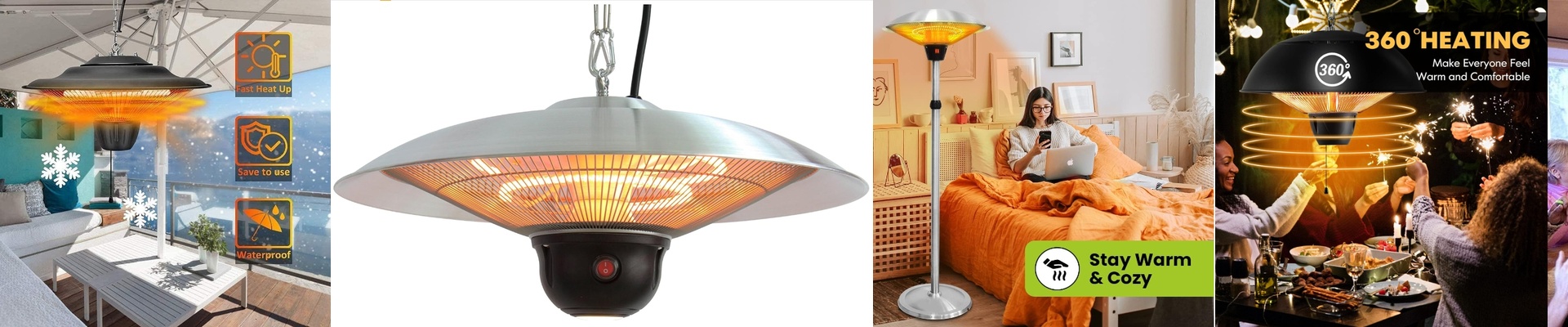
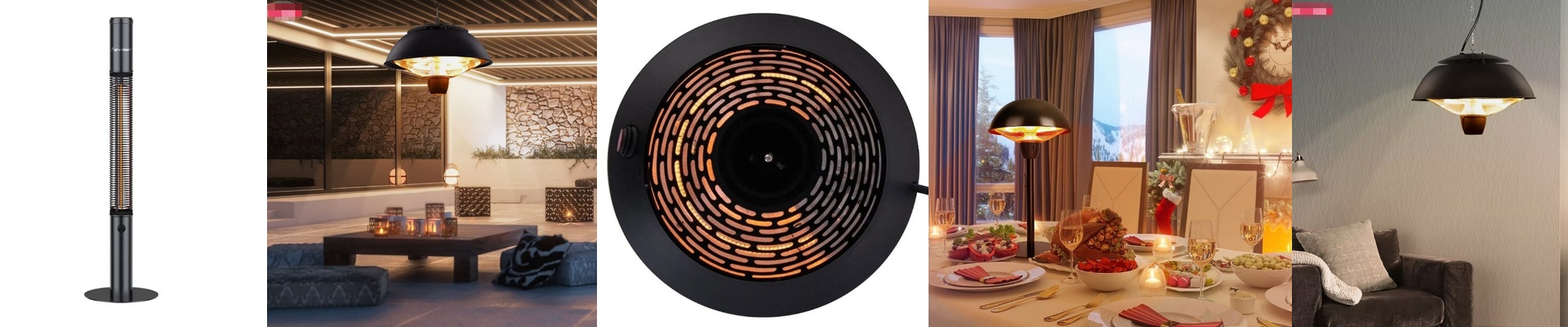
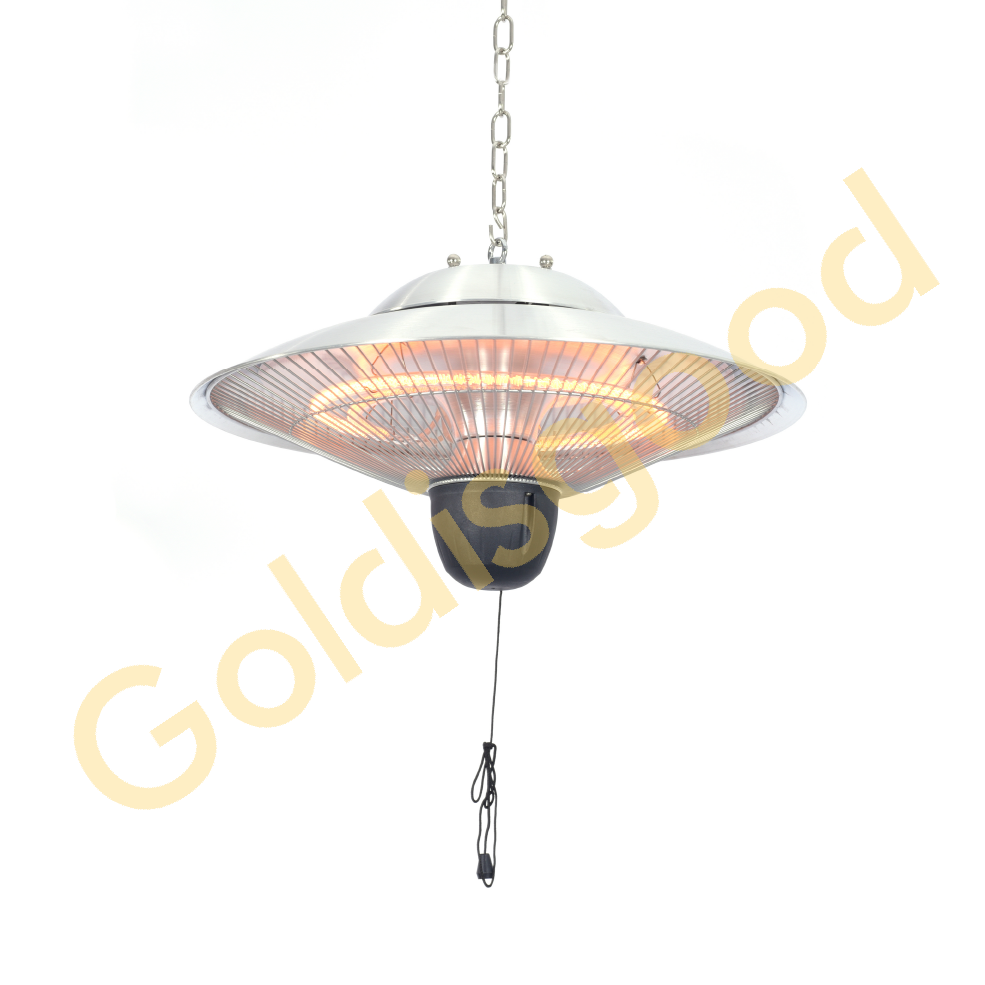
The wind picks up and the sun slips behind the trees, and a campsite goes from scenic to shivering in a hurry. Standard heaters that push warm air around can struggle out here—energy gets wasted heating air that just drifts away. What you need is heat that lands fast, feels natural, and doesn’t eat your power.
What matters under the hood
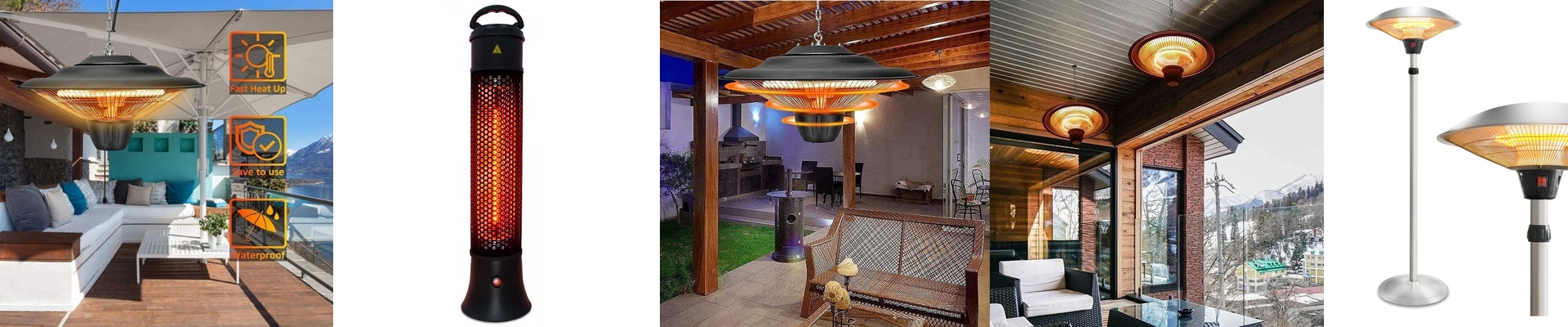
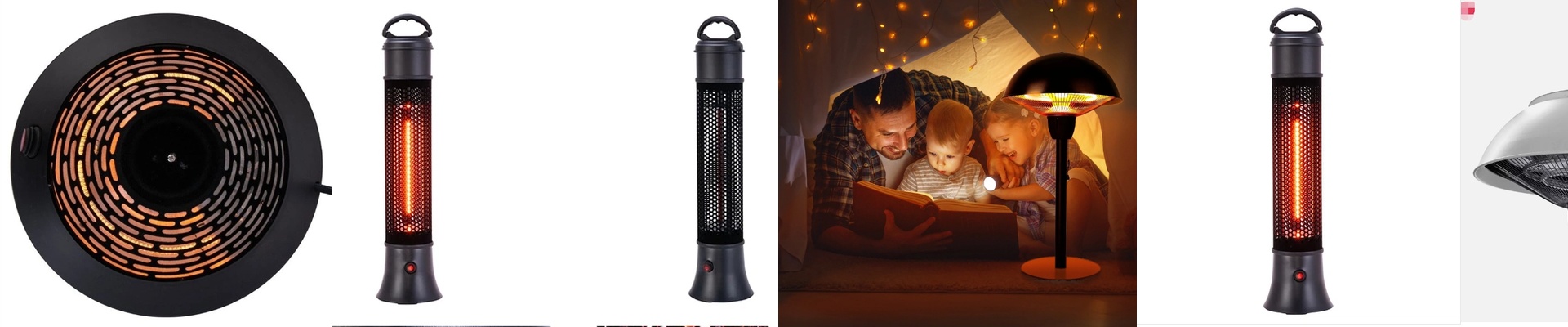
We build our camping electric heater around infrared technology, because it turns electricity into radiant heat, not a cloud of warm air. Inside, a high-purity quartz tube with a carbon fiber element comes up to temperature almost instantly. The infrared warmth travels in a straight line and heats people and objects directly. That approach delivers an effective conversion of up to 99.8% of electrical input into usable radiant output. In practice, nearly every watt you draw turns into heat you can feel, instead of getting lost to convection or inefficient air movement. It runs on standard 120V outlets when they’re available, and we size the element and reflector to put the heat where you need it—wide enough for two chairs, yet directional enough to hold the chill off hands and face.
Why this works at the campsite
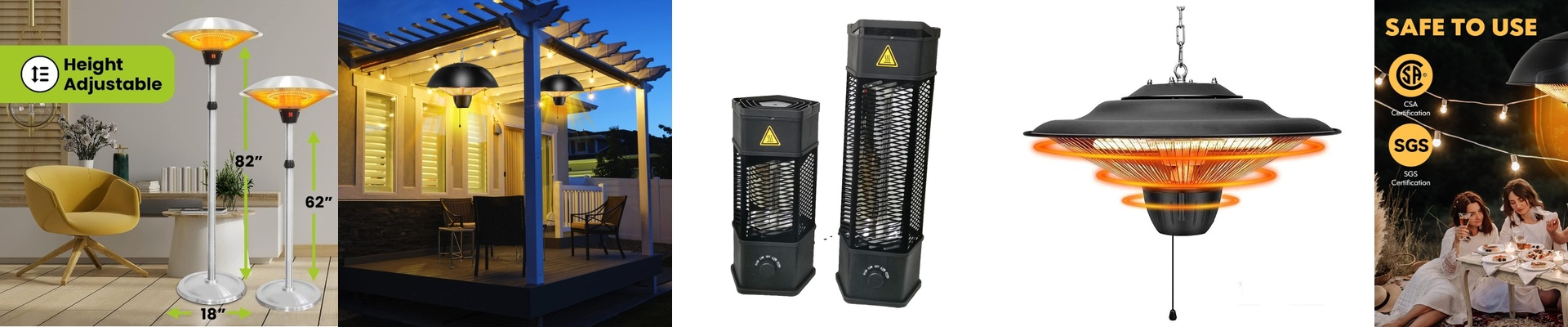
Outdoor air temperature can be deceptive. You can be sitting in cold air and still feel perfectly comfortable if your core and skin are getting radiant warmth. That’s where infrared shines: it warms you the same way the sun does, without stirring up drafts. You get cozy comfort quickly, circulation stays better in cooler weather, and the evening around the tent or picnic table stays relaxed. Because the heat is directional, you use less energy than you would with an air-blowing heater, and the quiet operation keeps the mood calm. Add tip-over protection and overheat protection, and it’s a dependable piece of kit that lets you stay outside longer.
What to keep in mind
Infrared warmth does its best work when the heater is placed so the beam covers the seating area and is aimed slightly toward the body. It warms surfaces and people directly, not the whole sky overhead, so you can still feel a cool breeze on your ankles if the wind gushes. For the best results, pair it with an enclosed shelter—think screened canopy or tent vestibule—to help trap that radiant heat. And remember, this is electric, not flame. Check your campground’s outlet access or plan for a compatible power source; you need a stable connection to run it.