


Vacuum IR Heating vs. Hot Air: Why the Switch Matters
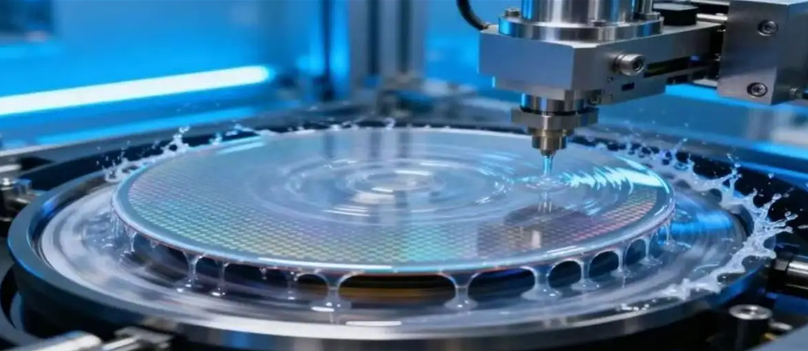
If you’re working in semiconductor deep processing, you know the struggle of moving energy around. For a long time, we just relied on hot air circulation. It’s simple: you heat the gas, and the gas heats the wafer. But there’s a catch. You can’t blow hot air in a vacuum. There’s nothing there to blow. That’s where vacuum-compatible infrared (IR) heaters come in. We stop relying on a medium and start using radiation.
The Clock is Ticking
Convection is, frankly, slow. You’re stuck waiting for the entire chamber to hit a certain temperature before your substrate even thinks about stabilizing. It’s a huge waste of time every time you ramp up or down. IR heaters change that. They shoot photons directly at the target. The difference is night and day. We’re talking about heat-up times dropping from minutes to seconds. For anyone running a line, that means your throughput jumps because you aren’t wasting time “dwelling” between processes. You aren’t wasting energy heating up the chamber walls; you’re putting the heat exactly where it belongs—on the part.
The Tricky Bits
Of course, moving to a vacuum isn’t without its headaches. Standard lamps tend to “outgas,” which is a fancy way of saying they leak gunk into your chamber and ruin your purity. To stop that, we use specialized quartz envelopes and seals that actually hold up in a vacuum. Then there’s the heat intensity. High-density IR arrays pack a punch, but they can create a steep thermal gradient. If your part is thin, the surface might get scorching hot while the core is still chilly. You’ve got to dial in your PID controllers carefully, or you risk frying your substrate.
Saving Space (and Sanity)
One of the best parts? You can get rid of the bulky blowers, the ducting, and all that heavy insulation that forced-air systems need. Your machine footprint shrinks. You can just drop these heaters right into the vacuum shroud. Just a heads-up: make sure your cooling jacket is sized right. These heaters stay hot. If you don’t pull that extra heat away from your sensors, your readings will start to drift, and you’ll be guessing instead of measuring.