


Stop Wasting Your Heat: The Case for Gold-Coated Reflectors
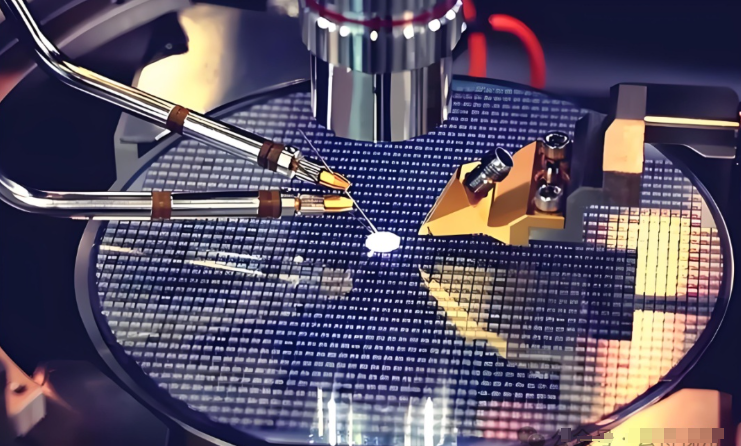
If you’re running semiconductor wafers and you aren’t using a reflector, you’re basically throwing half your money away. Think about it. A standard quartz IR lamp sends heat in every direction—a full 360 degrees. Without something to catch that energy, half of it just leaks into your machine chassis. It’s a waste. We use gold-coated reflectors to fix this. They act like a mirror for heat, forcing all that energy back down onto the wafer where it actually belongs. Why gold? Sure, aluminum is cheaper. But gold is a beast when it comes to the infrared spectrum. It reflects more energy and, more importantly, it doesn’t flake or oxidize when things get scorching hot. We apply a thin layer of gold to make sure as many photons as possible hit the target. It kills the “dead zones” and puts the heat exactly where you need it. The trade-off you need to know about Here’s the thing: when you crank up the power density, you’re playing with fire—literally. A high-wattage bulb paired with a gold reflector creates an intense heat spot. The upside? Your ramp-up times are faster and your temperature is way more consistent across the wafer. It feels snappy. It feels precise. But there’s a catch. All that concentrated energy puts a lot of stress on your lamp housings. If your cooling fans or heat sinks aren’t up to the task, you’re going to run into trouble. We’re talking melted sockets or warped brackets. Just make sure your cooling can keep up with the heat you’re pushing. Getting them into your line We made these as drop-in replacements because nobody wants a week of downtime. You just swap them in and wire them to your current controllers. But a quick heads-up: check your PID settings. Since these reflectors are so much more efficient, your old temperature set-points might overshoot. You don’t want to shock the silicon, so take a second to tweak your ramp rates. Once you dial that in, you’re good to go.