
Keeping Your Class 100 Cleanroom Actually Clean
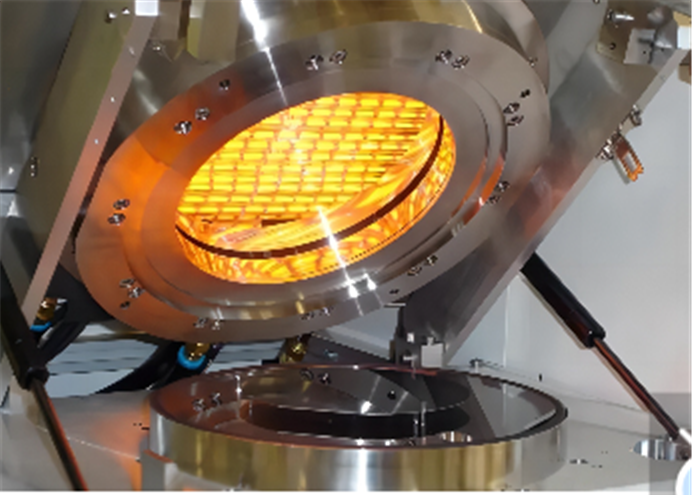
When you’re working in a Class 100 environment, the last thing you need is your heating element acting like a confetti machine. Standard heaters have a nasty habit of outgassing or flaking. In most worlds, that’s a non-issue. But when you’re dealing with wafers or medical implants? A few microscopic flakes can ruin an entire batch. It’s a nightmare. That’s why we use high-purity synthetic quartz infrared lamps. They’re built specifically for those tricky rinse and drying stages where you can’t afford a single speck of dust. The secret is in the materials. We use a high-grade fused silica. By stripping out the metallic impurities, we stop the lamp from shedding debris as it heats up and cools down. Plus, the quartz envelope is completely sealed. It’s waterproof. This means you can rinse the heating zone without worrying about a short circuit or accidentally contaminating everything around you. It just works. Let’s talk heat. These lamps are built for high-intensity shortwave emission. In plain English: the heat hits hard and fast. It cuts right through rinse liquids or thin films without hesitation. The best part? The thermal footprint is tight. You get the heat exactly where you need it on the part, rather than accidentally baking your entire machine chassis. A few things to keep in mind for the install. We’ve wired these for a quick setup, but you’ll want to keep an eye on your power draw. These tubes put out a massive amount of heat in a small space. If your cooling fans or heat sinks aren’t up to the task, the ends of the lamps will overheat. And if they overheat, they burn out. Simple as that. We also kept the design lean. No bulky housings or fancy covers that just end up trapping dust. It’s just the high-purity tube and sealed leads. This makes them a breeze to drop into most semiconductor or pharma lines. One last tip: if you’re running a high-humidity rinse, double-check your connectors. Make sure they’re rated for moisture so you don’t deal with corrosion at the contact points down the road.