


Why We’re Switching to IR Curing in the Cleanroom
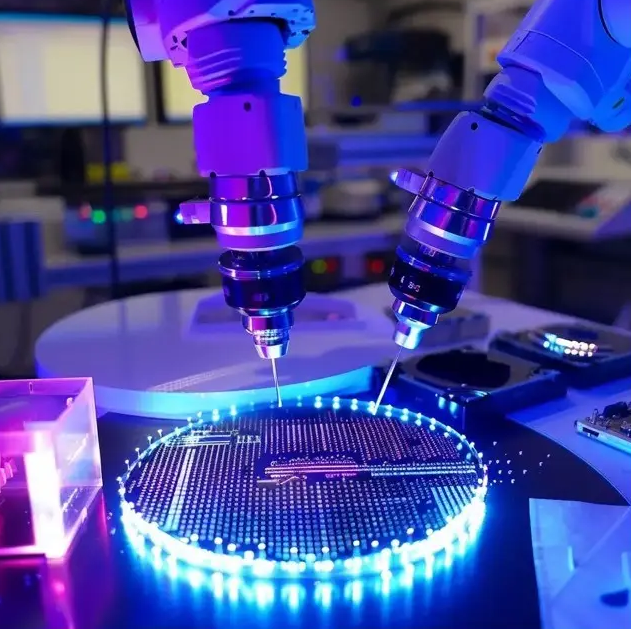
If you’ve ever used a convection oven in a cleanroom, you know the drill. You’re basically heating up the entire room just to get one small part dry. It’s a waste of energy, and it makes the HVAC system work overtime just to keep the air breathable. That’s why we’re seeing a big shift toward infrared (IR) lamps. Here is the thing: IR doesn’t bother with the air. It sends energy straight to the substrate. No middleman, no wasted heat floating around the room. You just point the light at the part, and it gets the job done. The “Green” Side of Things Going lead-free isn’t just about following a mandate; it’s actually a bit of a headache. You have to hit very specific temperature windows, and you have to do it fast, or you risk frying your components. This is where IR really shines. There’s basically zero lag. You flip the switch, and the heat is there. Immediately. Plus, it’s clean. No fumes, no weird by-products, and no VOCs. You don’t have to worry about contaminating a wafer because the process is purely electrical. It just feels… cleaner. The Catch (Because there’s always one) Now, it’s not all magic. You do have to be smart about how you set things up. Since IR is line-of-sight, it works like a flashlight. If a fixture gets in the way, you get a shadow. And a shadow means a cold spot, which means a bad cure. You’ve got to spend some time getting the lamp placement exactly right to make sure every inch of the part is covered. And one more thing—these lamps put out a lot of intensity. Make sure your workbench can actually handle the heat, otherwise, you might find your workstation warping while you work. Worth the effort? Absolutely. It’s faster, leaner, and way easier on the environment.