Why You Should Swap Those Old Bathroom Heat Lamps for IP65 Infrared Heaters
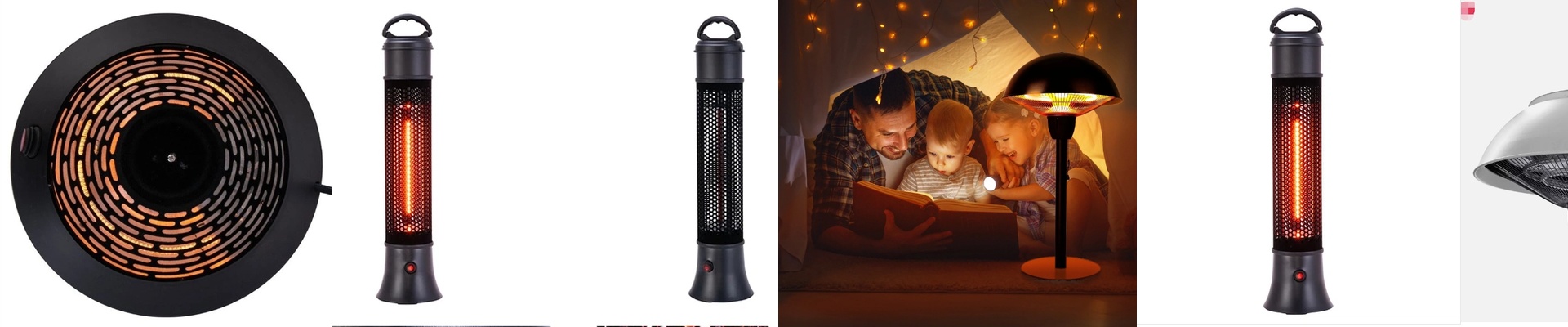
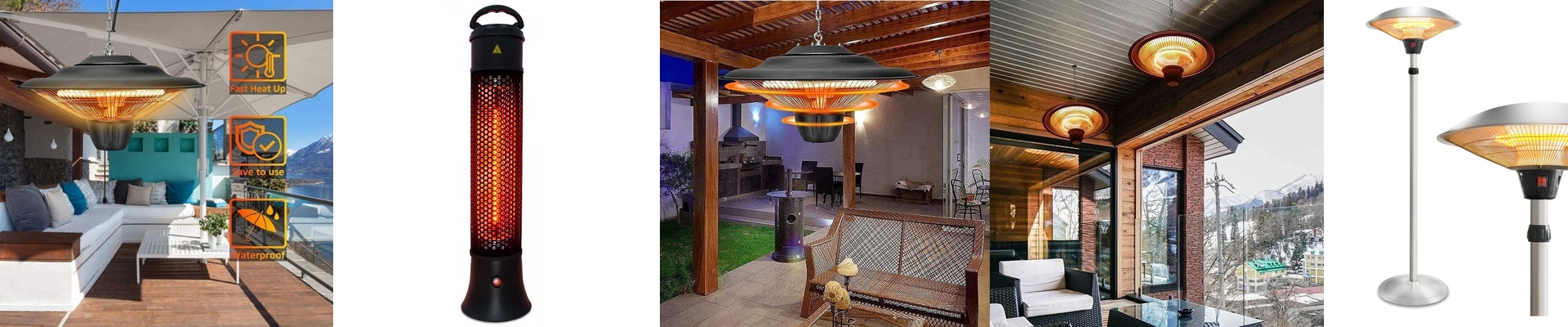
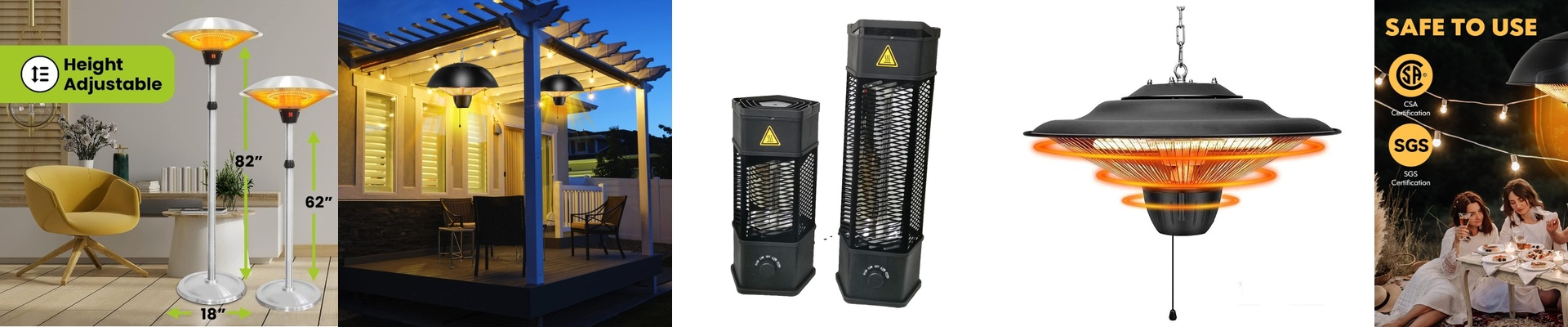
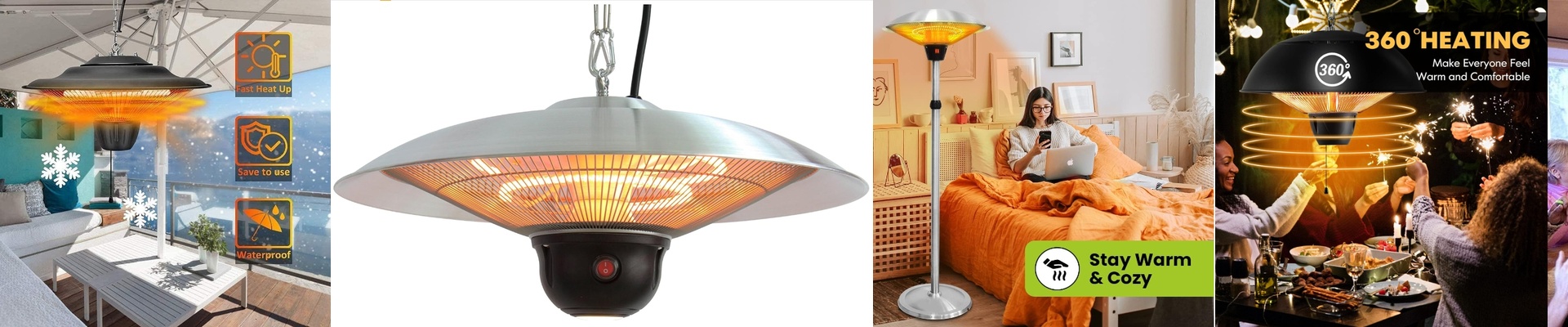
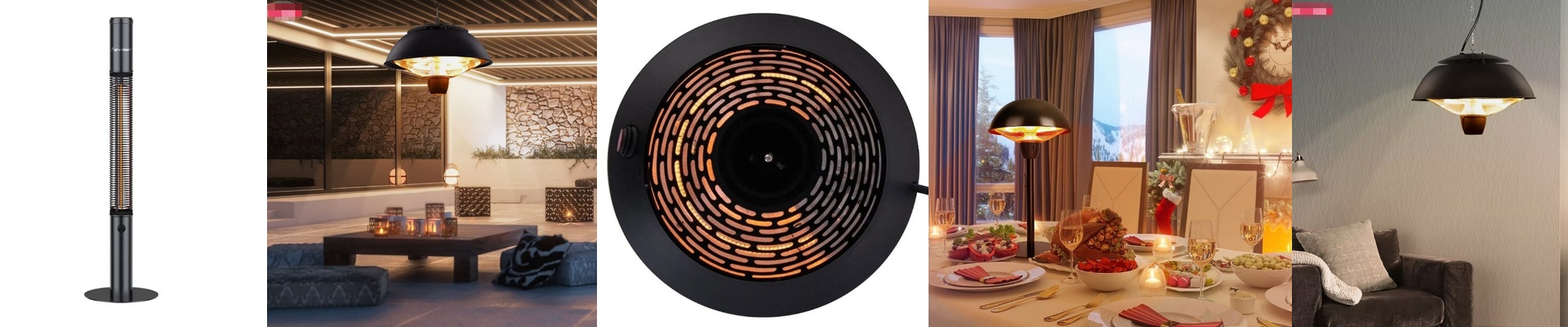
We’ve all had those old-school bathroom “light warmers.” You know the ones—they’re basically just big, power-hungry light bulbs that try their best to keep you warm while you’re stepping out of the shower. The problem is, they’re pretty inefficient and, honestly, not great for a room full of steam. That’s why more people are switching to IP65 infrared heaters. They just make more sense for a bathroom. Dealing with the Steam Here is the thing about bathrooms: they are wet. Between the shower steam and the occasional splash, your electrical gear is constantly under attack. Most old heat lamps have little gaps in the housing. Water sneaks in, hits a live wire, and—pop—you’ve tripped the breaker or fried the socket. An IP65 rating basically means the unit is sealed tight. It keeps the dust and water jets out, so you don’t have to worry about your heater shorting out just because you took a hot shower. How the Heat Actually Works Traditional heaters try to warm up all the air in the room. But air moves. You feel a draft, the heat rises to the ceiling, and you’re still shivering. Infrared is different. It doesn’t bother with the air; it sends out radiation that hits your skin and the surfaces around you directly. It feels like stepping into a patch of sunlight on a cold day. It’s fast. Really fast. And because it’s not trying to heat the entire room, you get warm almost instantly. A Few Things to Keep in Mind If you’re looking to swap your old ceiling fixture for one of these, it’s usually a pretty straightforward job. But a quick heads-up: check your wiring first. These infrared elements pull more power than a simple light bulb. If your home’s wiring is a bit dated or undersized, you might run into some trouble with your thermal overload. It’s worth having a pro double-check the circuit. Also, while the housing is built like a tank to handle humidity, the glass tubes are still glass. If you hit one with something hard, it’s going to crack. The best bet? Mount them high enough that nobody can accidentally bump into them, but keep them in a direct line of sight. That way, the heat lands exactly where you want it.