


Making Table Heaters Actually Smart
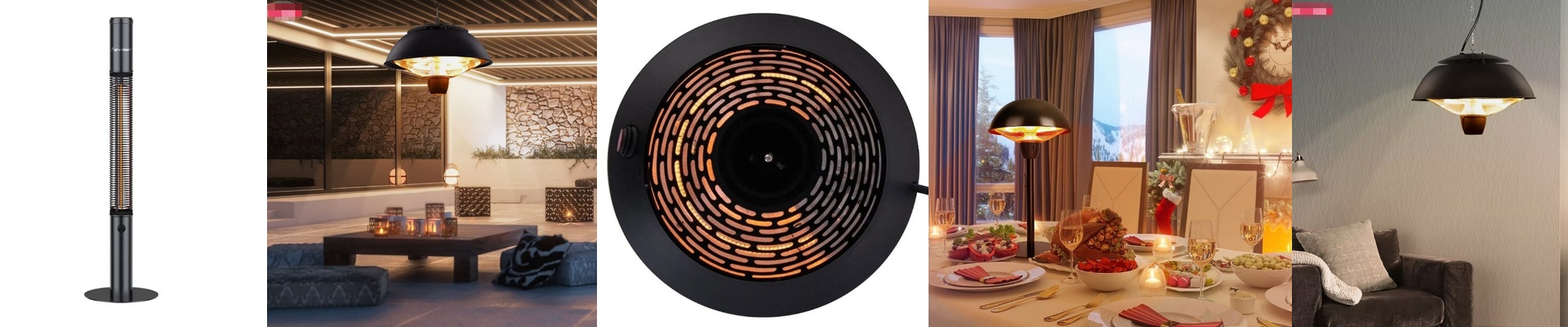
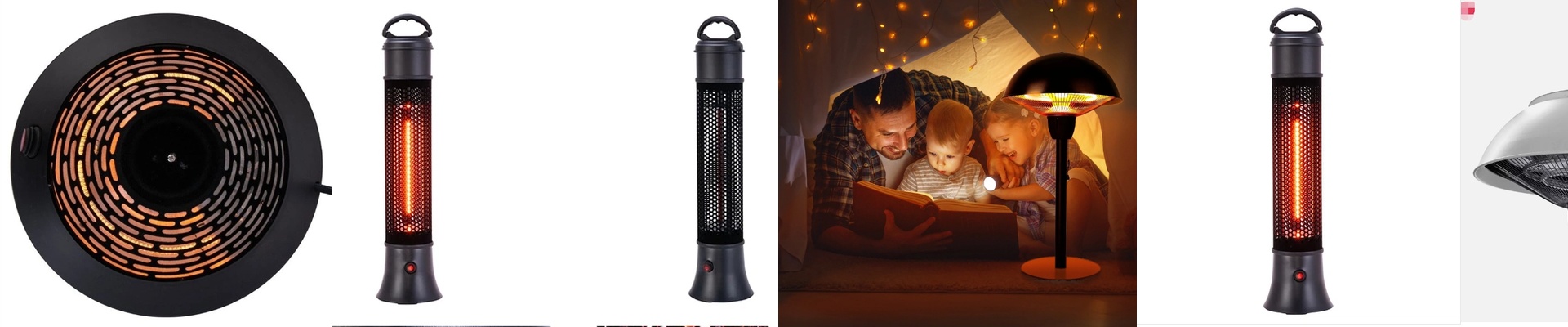
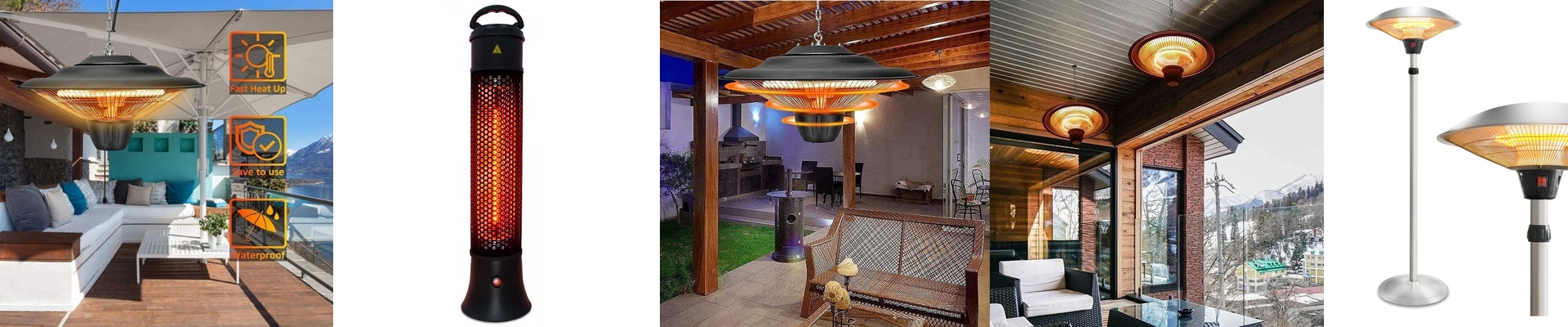
We wanted to build a table heater that doesn’t force you to choose between “industrial toughness” and “smart home convenience.” The heart of the thing is a short-wave infrared emitter tucked inside an IP55-rated shell. In plain English? It can handle a good amount of dust and the occasional splash of water. Whether you’re putting it on a damp patio or in a room where drinks tend to spill, it’s built to survive.
How the heat actually works
You know that feeling when you step into the sun on a cold day? That’s what’s happening here. Most heaters try to warm up the air around you, which takes forever. These emitters send heat directly to you. We used high-density filaments that get hot in a few seconds. To make this play nice with your smart home, we added a heavy-duty relay (or a TRIAC dimmer) to the circuit. That way, your Zigbee or Matter hub can just flip the switch from across the room.
No more waiting around
Nobody likes walking across a cold room to turn on a heater. When you wire these into your ecosystem, you can just use your phone or a voice command. The circuit closes, and you feel the heat almost instantly. We spent a lot of time obsessing over the lag between you saying “turn on the heat” and the unit actually firing up. By using a direct-drive power module, we got that response time down to under 200 milliseconds. It’s basically instant.
The tricky part
Here is the catch: that IP55 seal is great for keeping water out, but it’s not great for letting heat escape. Since the electronics are sealed in, they can get toastier than we’d like. If you cram too much wattage into a small box, the logic board will just shut itself down to keep from melting. To stop that from happening, we had to be really careful with the internal heat sinks. It’s all a balancing act—making sure the heater is powerful enough to keep you warm, but the box is breathable enough to keep the “brains” of the operation cool.