


Stop Letting Your Heaters Kill Your Wafer Yields
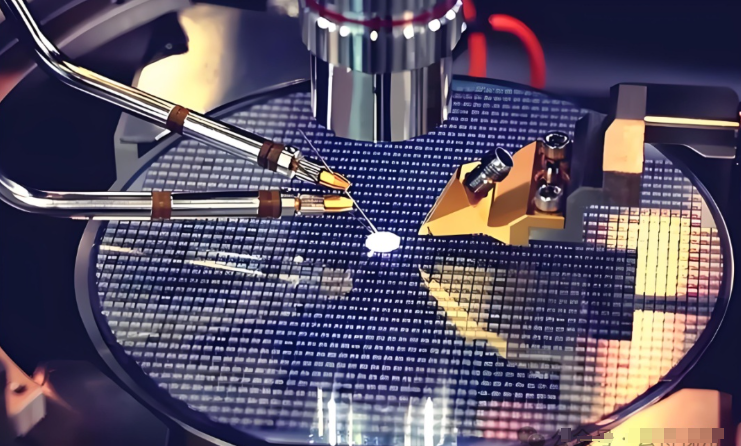
If you’re running a Class 100 cleanroom, you already know the drill with air filtration. But here’s the thing: your heat sources are often the silent killers. Most standard heating elements are messy. They outgas or shed tiny, microscopic particles that you can’t see, but your wafers definitely feel. That’s where our high-purity synthetic quartz infrared lamps come in.
Why Quartz Actually Works
We stuck with high-purity quartz for a simple reason: it doesn’t crumble into dust when things get hot. Unlike those clunky metal-sheathed heaters, these lamps use short-wave infrared radiation. The heat goes straight to the target. It doesn’t waste time heating up the air around it, which is great because it stops those annoying convection currents from kicking up dust off your floor. Plus, we fuse the quartz tubes at insane temperatures. This burns off any organic residue before the lamp ever reaches you. So, when you ramp up to operating temp, you don’t get that nasty outgassing.
Small Footprint, Big Heat
We designed these for speed. By packing a ton of power into a tiny space, you get the heat density you need for curing and drying without needing a giant, hulking oven taking up your floor space. If you look closely at the electrode seals, you’ll see where we spent the extra effort. We use specialized glass-to-metal seals to keep the internal halogen gas locked in. If that seal leaks, the lamp is toast—instantly. We over-engineered these joints specifically so they won’t crack when you’re cycling the heat up and down all day.
The Catch (And How to Handle It)
Look, high-purity quartz is a bit of a diva. It loves the heat, but it hates being bumped. It’s fragile. If you’re rough with it during installation or your machine has a lot of vibration, it’ll break. Make sure your mounting brackets are dampened. One more thing: that short-wave IR is intense. You’ll want to double-check that your shielding is rated for the specific wavelength. Otherwise, you might accidentally fry a nearby sensor or melt some plastic components in your tool.