

Introduction
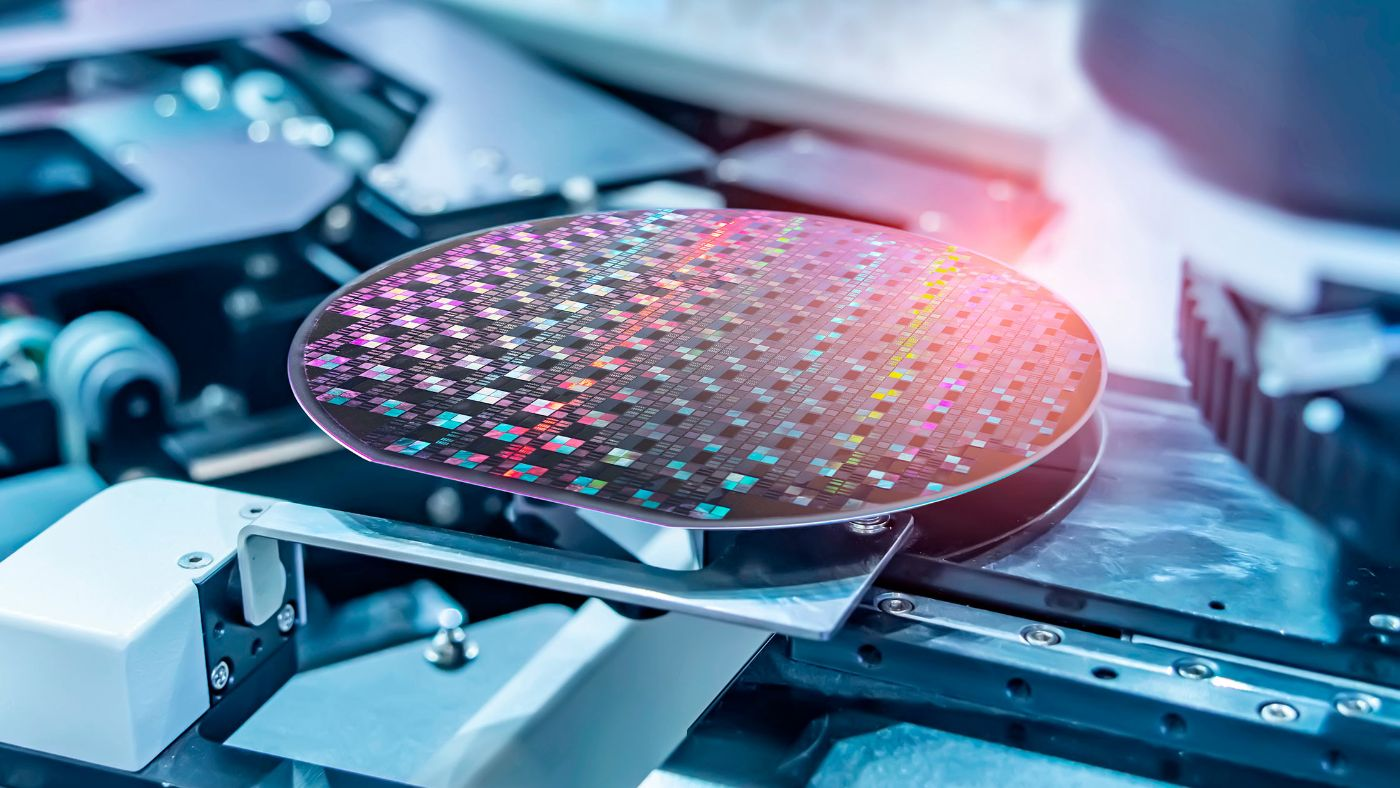
Let’s get straight to the point. In a semiconductor fab, the heater isn’t just another part. It’s the engine. We built our Teflon-insulated heater wire to tackle the one thing that really matters: getting every last watt of thermal energy right where it needs to be—on the wafer. How? With our high-efficiency gold coating. It acts like a spotlight for heat, focusing electrical energy into pure, controllable radiant power.
The Nitty-Gritty
When you’re running semiconductor processes, you need heat that’s both intense and precise. Our whole design is built around focusing the energy, so the temperature stays rock-solid across the entire wafer. That gold coating? It’s not just for looks. It’s a reflective layer that bounces infrared radiation back onto the target. This means less heat gets lost to the chamber walls, and more of it goes straight to work on the wafer surface. The payoff is simple: more effective heat per watt, which makes your process more consistent, run after run.
What It’s Made Of
The gold coating is all about high infrared reflectivity. It keeps the heat focused and stops it from bleeding off. This protects the heating element underneath and makes the whole system more thermally efficient. Meanwhile, the Teflon wire insulation is tough enough to handle high heat without breaking down. It keeps its dielectric strength and stays mechanically sound, even when the system runs hot and long. Together, this combo lets the heater run hotter and cleaner, with a much lower risk of insulation failure—even on those grueling, non-stop duty cycles.
Real-World Results
Out on the factory floor, you need a heater that’s easy to spec and a snap to install. Our setup slides right into standard configurations without forcing you to rework the chamber. That means less downtime when you’re upgrading. The focused radiant heat cuts down warm-up time and locks in a stable temperature profile quickly. That helps you tighten up your process windows and keep things running smoothly. Just one thing to keep in mind: because the output is so concentrated, you’ll need a cooling setup that’s properly rated. It manages the ambient heat and keeps the surrounding electronics in their safe zone.