



Stop Wasting Heat: Why Gold Reflectors Actually Matter
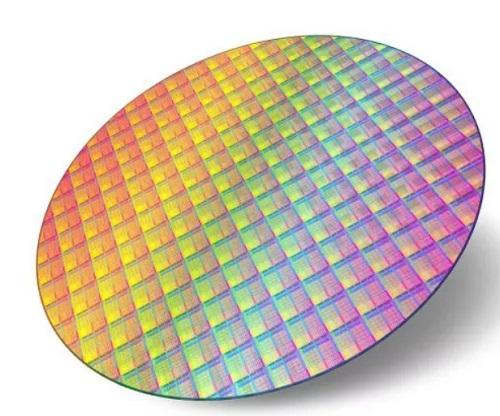
In a semiconductor fab, wasting energy isn’t just a “green” issue—it’s a money pit. When you’re heating wafers, you want every single bit of that thermal radiation hitting the surface. But here’s the problem: standard reflectors are leaky. They let heat bleed out into the chassis, and you’re basically paying for electricity that isn’t doing its job. That’s where the gold coating comes in.
The simple science of it
Think of it this way: aluminum or stainless steel are okay, but they still soak up some of that heat. Gold is different. It’s incredible at bouncing infrared (IR) radiation right back where it belongs. Instead of a wide, lazy spread of heat that goes everywhere, you get a tight, directed beam. You end up with way more heat density on the wafer without even touching the wattage dial. It’s just more efficient.
Getting the timing right
We focus on tightening the gap between the heat source and the wafer. When you pair that with gold reflectors, the whole thermal profile shifts. You hit your target temperature faster.Much faster. And when you shave seconds off the cycle time for every single wafer, those wins add up quickly across a whole production line. We spend a lot of time tweaking the coating so it reflects the exact wavelength of your heating element, rather than letting the housing swallow the energy.
The stuff they don’t tell you in the manual
Now, here is the real-world part. You can’t just throw these in and forget about them. Gold is soft. If your maintenance crew goes in there with abrasive scrubbing pads, they’ll scratch the surface and kill the reflectivity in one go. These parts need a gentle touch. Also, a quick heads-up: while the gold keeps the reflector housing cooler, you’ve still got a lot of heat concentrated in a small space. Don’t skimp on your cooling fans, or you’ll cook your surrounding electronics. And if you’re retrofitting these into an old line? Double-check your clearances first. It’s a tight fit.