

Stop Worrying About Fires in Your Drying Stage
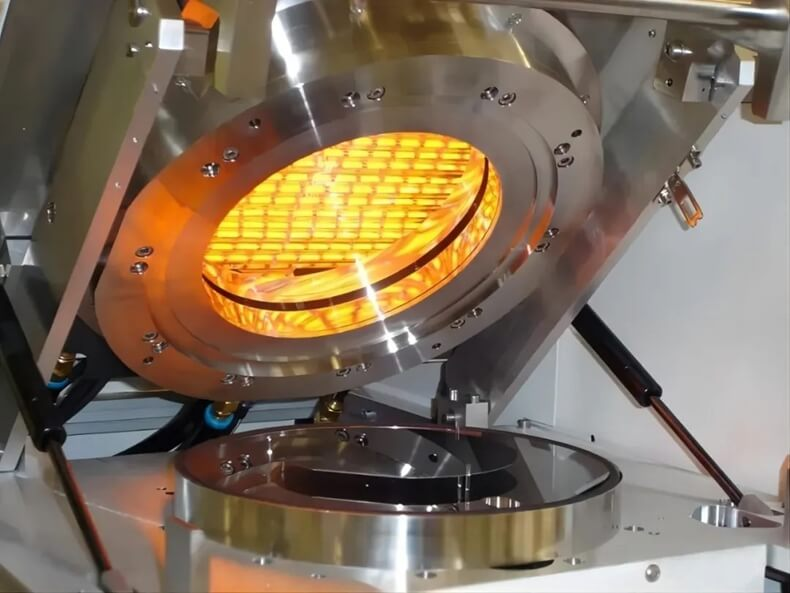
When you’re drying wafers or parts after a chemical wash, you’re playing with fire—literally. You’ve got VOCs and flammable vapors hanging in the air, and a standard infrared lamp is basically a liability. One tiny spark or a hairline crack in a quartz tube, and you’ve got a disaster on your hands. We figured out a better way. Instead of leaving the heating elements open to the air, we lock them down in a sealed encapsulation system. How the seal actually works We wrap the IR elements in a high-grade quartz envelope, then tuck that inside a rugged, explosion-proof outer jacket. It’s a physical wall between the hot filament and those nasty chemical fumes. But here’s the clever part: we hermetically seal the lead-in points. Why? Because lamps “breathe.” As they cool down, they can actually suck in corrosive vapors. Our seal stops that from happening entirely. The heat struggle Now, there’s a catch. When you seal a lamp, the heat doesn’t escape as easily. It stays trapped. If you just crank up the wattage without a plan, you’ll melt your sealants. It’s a balancing act. We spend a lot of time dialing in the power density so you get the drying temperatures you need without stressing the enclosure. It’s about finding that sweet spot where it’s hot enough to work, but safe enough to last. Real-world reliability Nobody wants their team spending half a shift wrestling with complex wiring in a cleanroom. That’s why we made these “drop-in” replacements. The connections are built tough to handle acid mists, so they won’t corrode and flake out on you. And if a tube finally burns out? No big deal. The encapsulation keeps any sparks or particles trapped inside. You just swap the unit, double-check the seal, and get the line moving again. No panic, no flash fires—just a system that does its job and lets you sleep at night.