
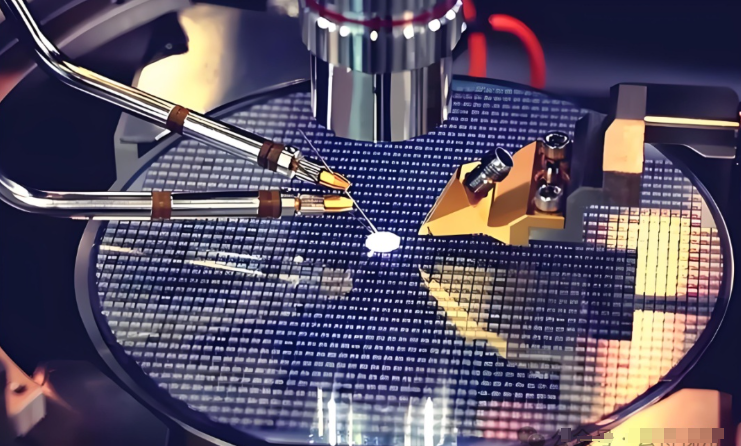
Drying MEMS Wafers with Infrared: The No-Nonsense Approach
When you’re making MEMS sensors, the last thing you want is a stray drop of moisture or a smudge of solvent ruining a micro-structure. It’s a delicate balance. You need the wafers bone-dry, but you can’t just blast them with heat and hope for the best. That’s why we use short-wave infrared (IR) heaters. Instead of messing around with heated air or sketchy chemical drying agents, IR sends energy straight into the substrate. It’s direct. It’s clean. How it actually works Think about a convection oven. It has to heat the air, and then the air heats the food. That’s a lot of wasted time. IR is different. It targets the water molecules on the wafer surface specifically. The energy hits the liquid layer and triggers rapid evaporation. Your wafer is dry in seconds. The real win here is the “thermal budget.” Because it happens so fast, the wafer isn’t just soaking in heat for ten minutes. That means you don’t have to worry about the wafer warping or the dopants drifting where they shouldn’t. Better for the planet (and your lungs) The industry is finally moving away from lead-based solders and those nasty VOC solvents. IR curing fits right into that. It’s a “dry” process. You don’t have to deal with scrubbing contaminated gases out of an exhaust system, and there are no hazardous heating elements to worry about. You just plug it in, dial in your wavelength, and you’re good to go. Plus, since you aren’t relying on giant fans to push hot air around, you stop losing energy through duct leaks. The trade-offs Now, it’s not all magic. High heat density comes with a few quirks. If you ramp up the temperature too aggressively, you risk thermal shock. You’ve got to be smart about your PID controllers—if you aren’t, you’ll overshoot your target temperature and potentially ruin the batch. And because the IR output is so strong, we have to be serious about the chassis shielding. You don’t want your operators getting exposed to radiation. We’ve designed these heaters to be simple drop-in replacements for those old, clunky thermal systems. You get a smaller footprint on your floor and lower power bills. It’s a way to hit those green standards without slowing down your production line.