

Let’s Talk Electrical Safety for Wafer Curing Reflectors
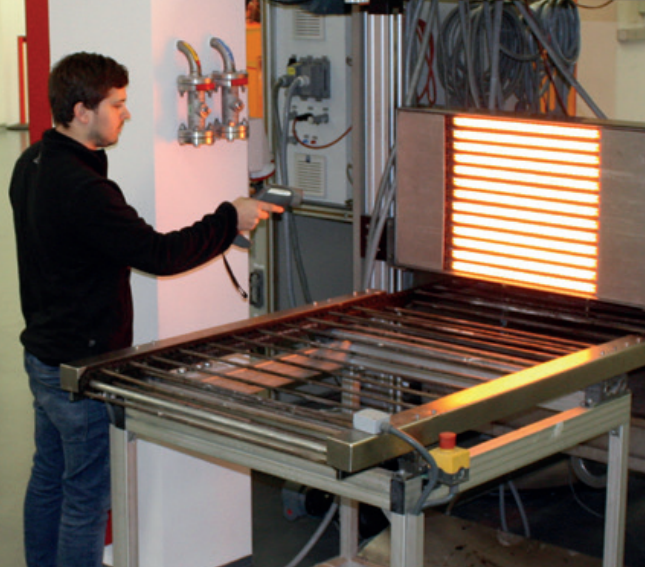
Wafer curing lamps are no joke. They deal with insane heat and high voltages that would make most components sweat. When you look at the reflector, it might just look like a mirror for light. But in reality, it’s doing the heavy lifting to keep the electrical circuit isolated and safe. That’s why we don’t gamble with it. Every single lamp that leaves our shop goes through a full dielectric withstand and insulation resistance test. No exceptions.
Pushing the Limits
Here is how we do it: we basically stress-test the insulation. We hit the unit with a voltage way higher than what it’ll see during normal use. Why? Because we want to force any hidden flaws—like a tiny crack in the quartz or some leftover grime on the surface—to spark and fail right here in our lab. If it arcs, it’s trash. It’s much better for us to scrap a unit now than for you to deal with a catastrophic short or a “burn out” after you’ve already wired it into your production line. We also keep a close eye on insulation resistance (measured in Megaohms) to make sure the current stays in the filament where it belongs, rather than leaking into your equipment’s chassis.
Why We’re So Obsessive About QC
If you’re running high-end wafer curing gear, you know the tolerances are razor-thin. A tiny electrical leak isn’t just a technical glitch; it creates signal noise or trips your breakers. That means your line stops. That means unplanned downtime. Some companies just sample a few pieces from a batch and call it a day. We don’t. When your machine costs six figures, a 1% failure rate is way too high. We test every single tube.
A Quick Reality Check
Now, look—even the best-tested lamp can’t fix a bad installation. A certified lamp will still fail if your connectors are loose or if you’re ignoring the cooling specs for the housing. These things generate a massive amount of heat, and over time, that heat beats down on the insulation. Make sure your cooling fans are actually up to the task. If they aren’t, the insulators will degrade, and you’ll be right back where we started.