
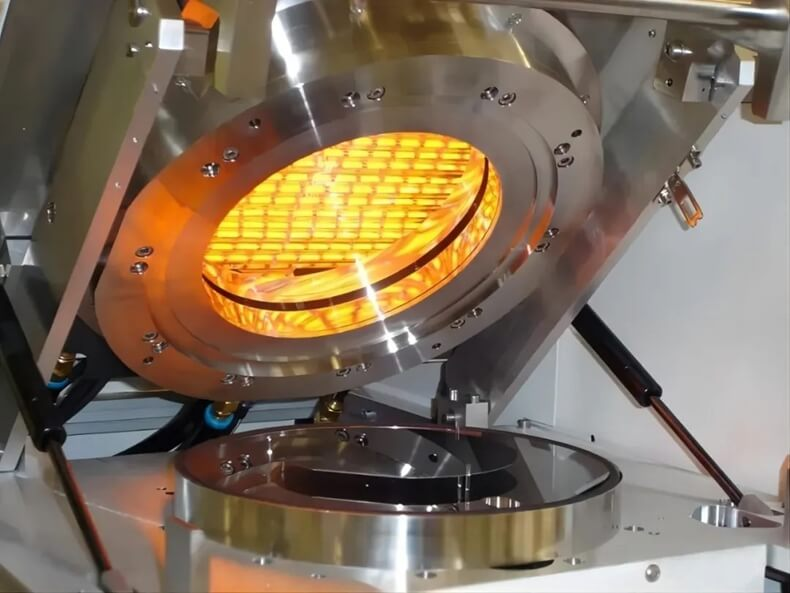
Stop Your IR Lamps from Ruining Your Wafers
In a high-volume semiconductor setup, a lamp blowing out is more than just a headache or a bit of downtime. It’s a nightmare. When a quartz envelope snaps, you’ve got glass shards and metallic bits raining down right onto your wafers. That’s a contamination crisis you really don’t want to deal with. That’s exactly why we build our IR sensors and heating lamps the way we do. Keeping the mess contained We stick with high-purity synthetic quartz for the envelopes. Why? Because it can take the hit of rapid heating and cooling without cracking under the pressure. But we don’t stop there. We add a protective sleeve or a special coating. Think of it as a safety net. If the filament gives out, the sleeve catches the debris before it ever touches your work. Your wafers stay pristine. Simple as that. Don’t push it too hard When you’re running at full tilt, it’s easy to push these lamps to their limit. We make sure the wattage and voltage match up perfectly so the electrodes don’t overheat. If you over-drive a lamp, the envelope is going to fail sooner rather than later. We find a balance—getting your wafer to the right temperature without stressing the quartz to the breaking point. The honest trade-off Look, nothing is perfect. Adding a shield or a sleeve means you lose a tiny bit of IR transmission. You’re sacrificing a small slice of efficiency. But here’s the thing: waiting a few extra seconds for a ramp-up is a tiny price to pay. Compare that to the gut-punch of scrapping a whole batch of 300mm wafers because of a few flakes of glass. It’s a no-brainer. Getting it right during install A lot of lamps fail at the pinch seal, and usually, it’s because of loose connections creating hotspots. We use standardized connectors to make sure the electrical fit is tight. Once it’s wired up, check your cooling airflow. If your chassis isn’t moving enough air to handle the heat, your lamp life is going to tank. Keep that air flowing steady, and your quartz will last a lot longer.