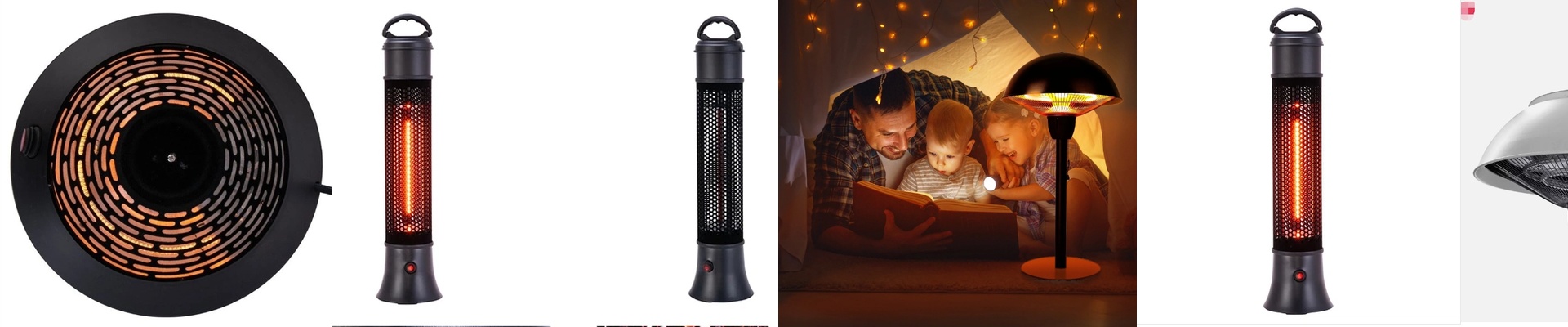

Making Your Patio Heaters Actually Smart
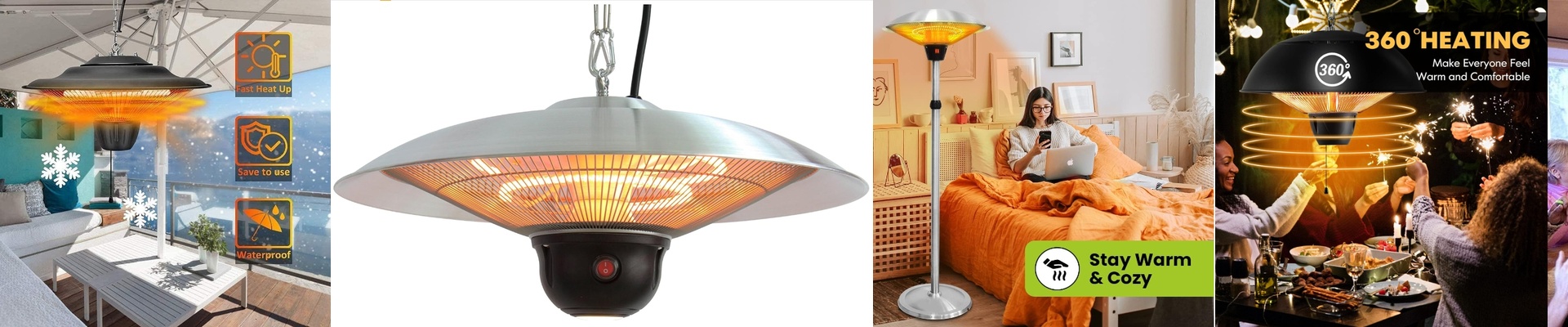
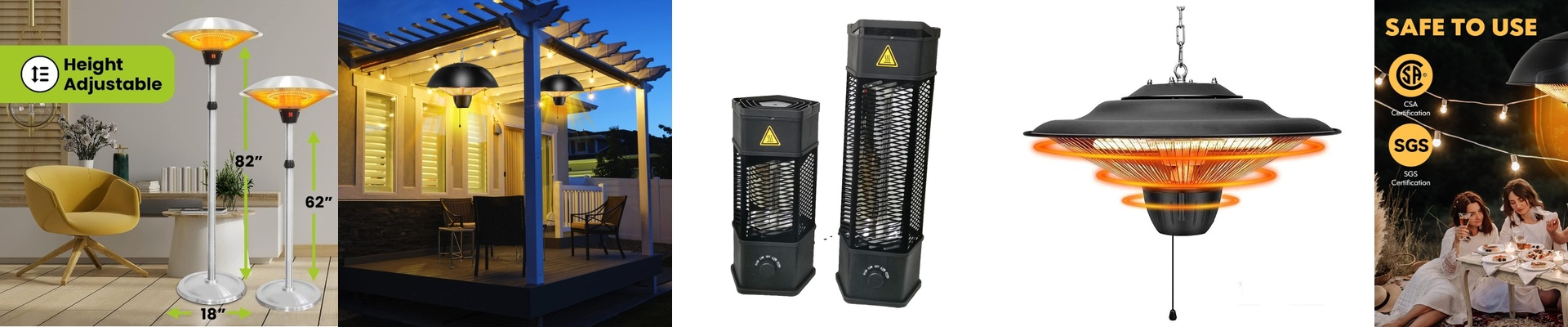
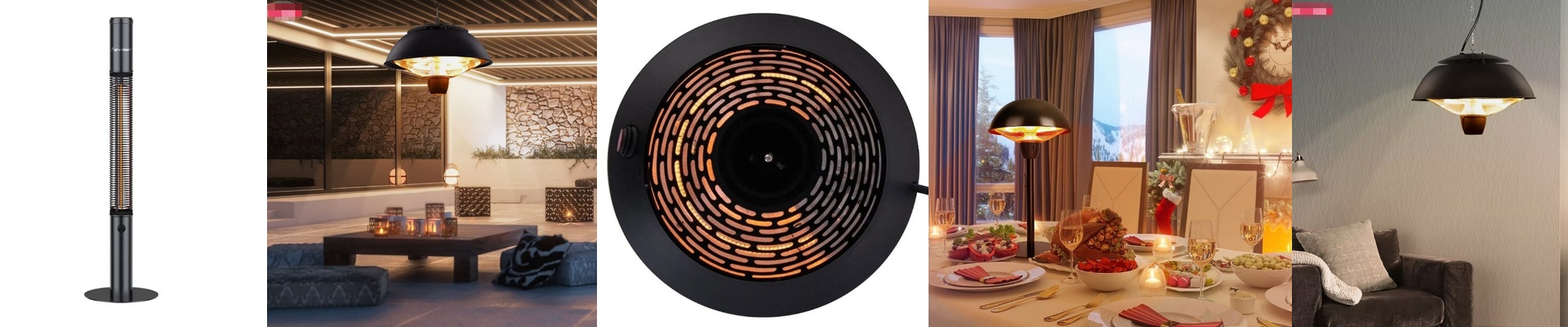
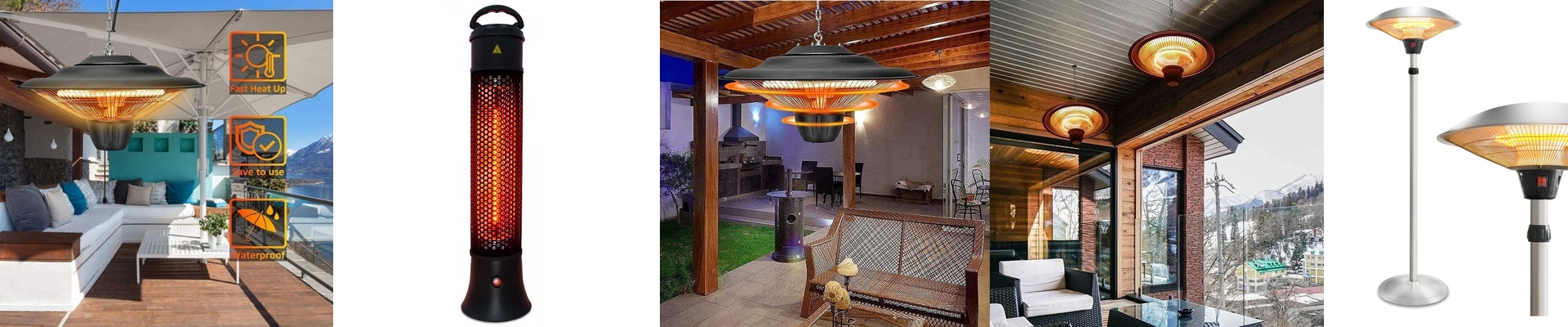
Let’s be honest: flipping a manual switch on a cold evening is a pain. When you move IP55 infrared heaters into a smart home setup, you’re basically turning a piece of hardware into something that just works in the background. These heaters use shortwave infrared, which is a fancy way of saying they heat you and your furniture directly, not the air around you. The best part? There’s no waiting. The second the power hits, you feel the warmth.
The Nitty-Gritty Hardware
To get these talking to your phone, we wire them through a smart relay or an IoT controller. Now, that “IP55” label is important. It just means the casing can handle dust and a bit of rain without throwing a fit. You can mount these outside and not spend your whole night worrying if a drizzle is going to fry the internals. We keep things tight with heavy-duty gaskets and sealed cables to make sure the electronics stay bone-dry. Inside, you’ve got a quartz or halogen element. When your smart home system tells the relay to click on, that element hits top temperature in seconds. It’s nearly instant.
Making it Feel Natural
A smart home is only “smart” if it doesn’t lag. There’s nothing worse than tapping a button and waiting five seconds for the heater to kick in. We usually stick with Zigbee or Matter because they’re snappy. One tap, one click, and you’re warm. You can also get creative with it. Link your heaters to an outdoor temperature sensor, and you’re set. If the patio dips below 10°C, the heat kicks in on its own. You don’t even have to think about it.
A Word of Caution
Here is where things get tricky. Infrared heaters are power-hungry. If you try to plug a few 2000W units into a cheap smart plug, you’re asking for a burnout. It’s just not built for that kind of load. You need the right wiring and heavy-duty contactors to handle the current. If your circuit isn’t beefy enough, your breakers will trip the moment you try to turn on “Spring mode” from your couch. If you’re installing more than two units, just do yourself a favor and run dedicated circuits. It’ll save you a lot of headaches.