Why your old bathroom heater is probably failing (and what to do about it)
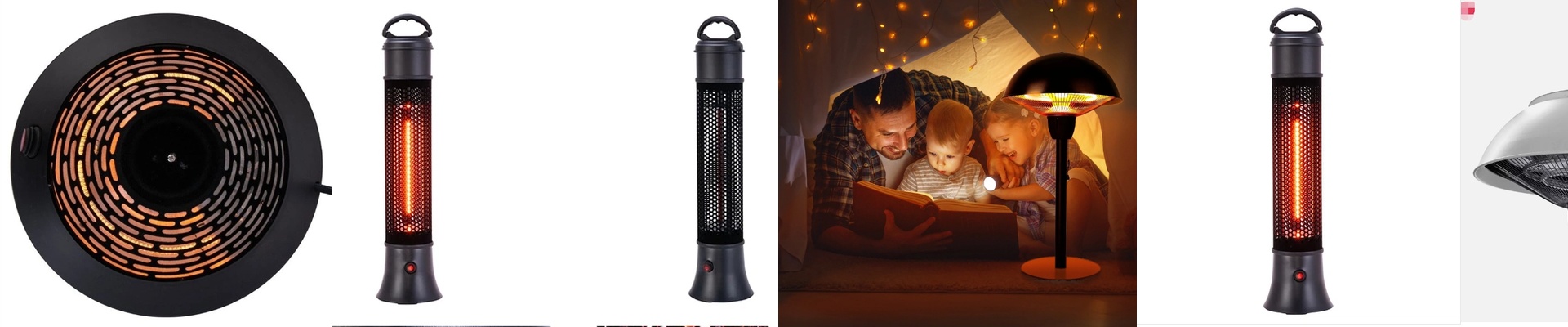
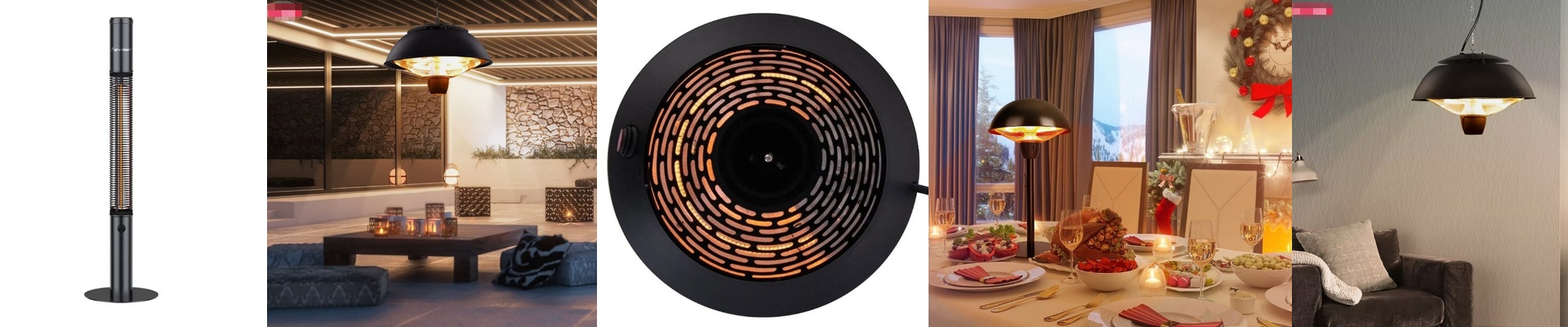
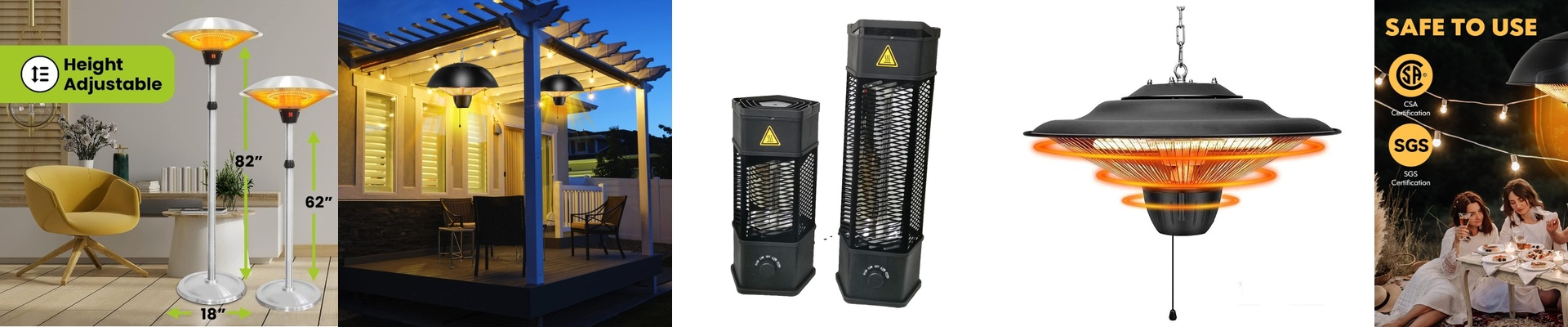
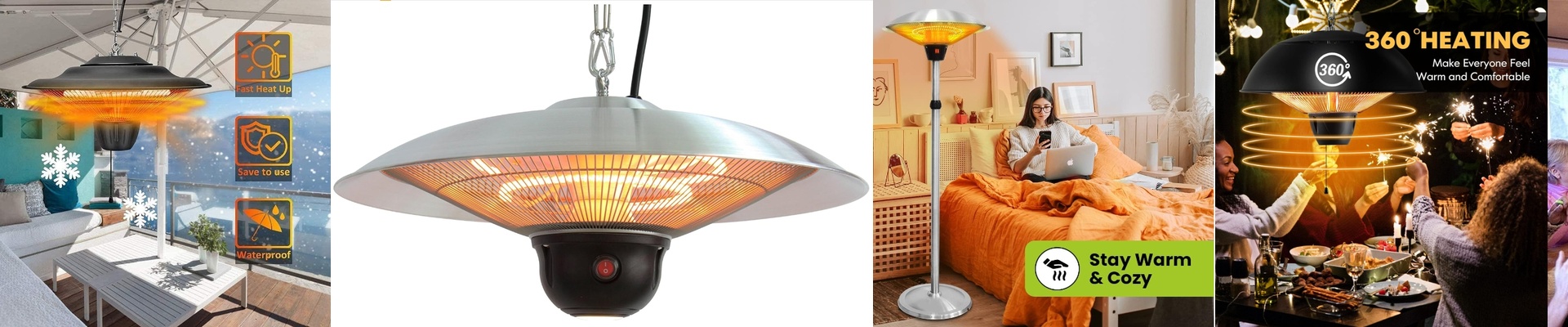
Let’s be honest: there is nothing worse than stepping out of a hot shower into a freezing bathroom. Most of us have those old halogen lamps that try to warm the room, but they usually just struggle. Plus, in a steamy bathroom, those basic heaters tend to die pretty quickly. That’s why we’re seeing a big move toward high-IP infrared heaters during renos. It’s not just about fancy tech—it’s about safety and making sure your gear doesn’t fry itself in two years. The secret to instant warmth Here is the thing about traditional heaters: they try to warm up the air. But in a damp, cold bathroom? That takes forever. Infrared is different. Instead of fighting the humidity, it sends heat directly to your skin. It’s like stepping into a patch of sunlight on a crisp morning. You feel it immediately. No waiting around, no shivering while the room slowly catches up. Why the “IP rating” actually matters You’ll see “IP ratings” mentioned a lot, which is just a fancy way of saying how waterproof something is. Standard heaters are leaky. Steam seeps into the electrical guts, causing short circuits or just burning out the element. It’s a recipe for a headache. The high-IP units we use are sealed tight. We use gaskets and heavy-duty casings to lock the moisture out. This keeps the internal wiring clean and dry, so the heater actually lasts. A few things to keep in mind If you’re swapping out an old ceiling unit, these usually fit right in. They’re smaller, but they pack a much harder punch when it comes to heat. But there is a catch. Infrared heat is directional. It goes exactly where it’s pointed. If you mount the unit two feet to the left of where you actually stand, you’re going to feel a cold spot.Placement is everything here. And one last tip: check your breaker box before you start. These high-wattage tubes pull a lot of power. You don’t want to find out your wiring can’t handle the load by tripping the breaker right in the middle of January.