Why Those Old Bathroom Heat Lamps are Finally Dying Out
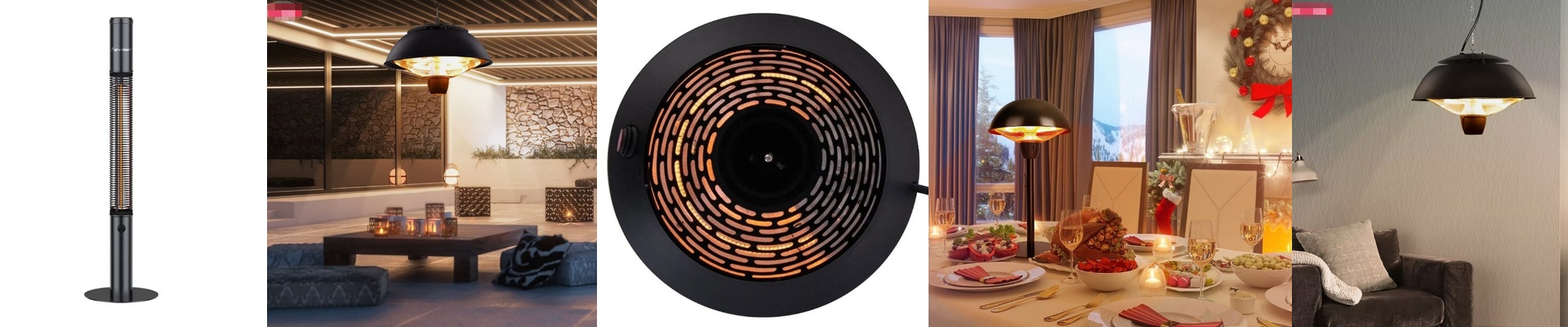
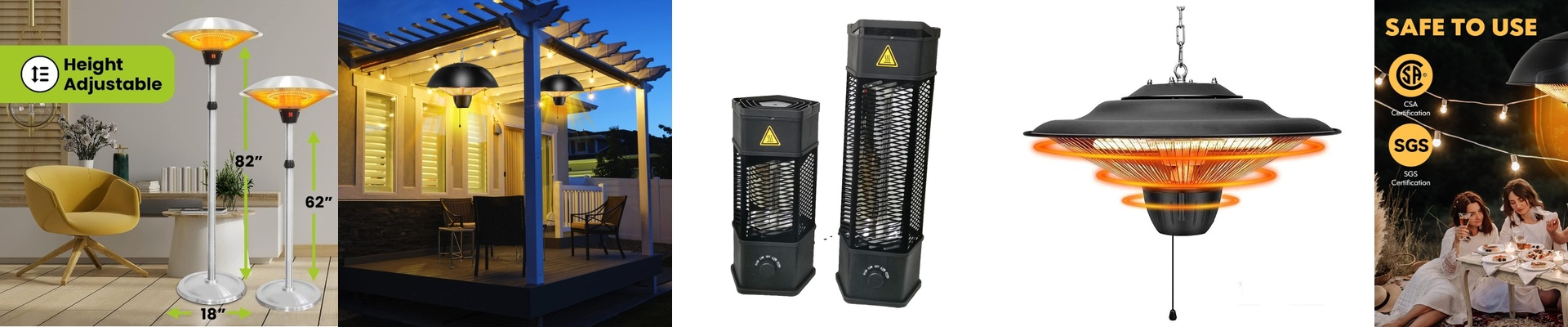
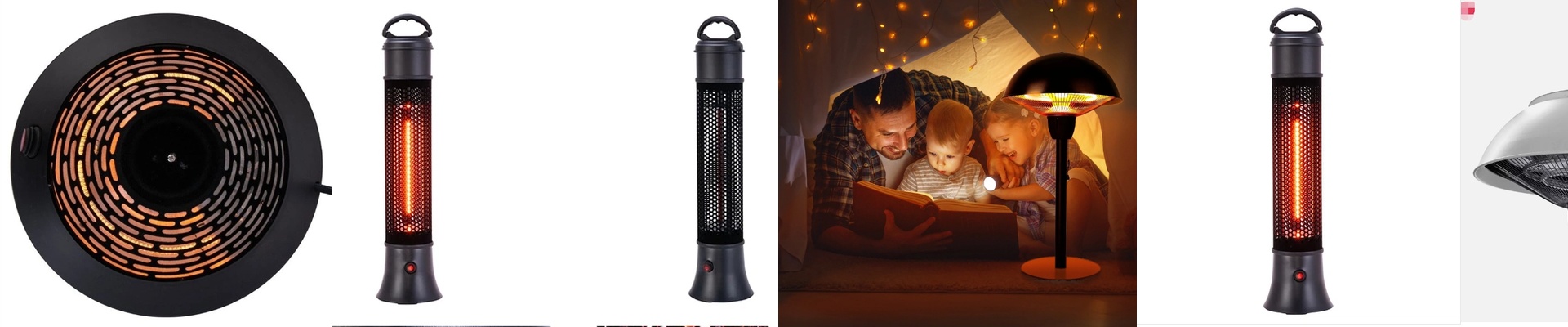
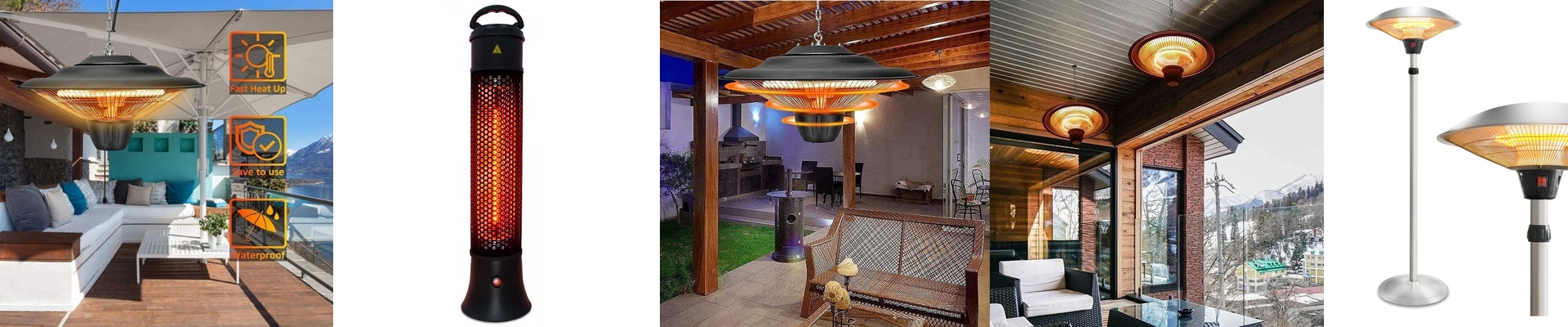
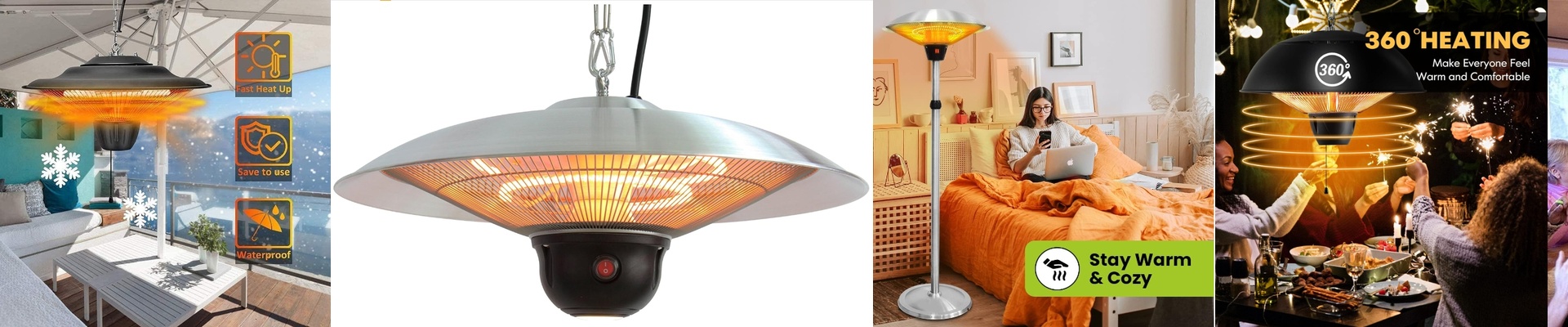
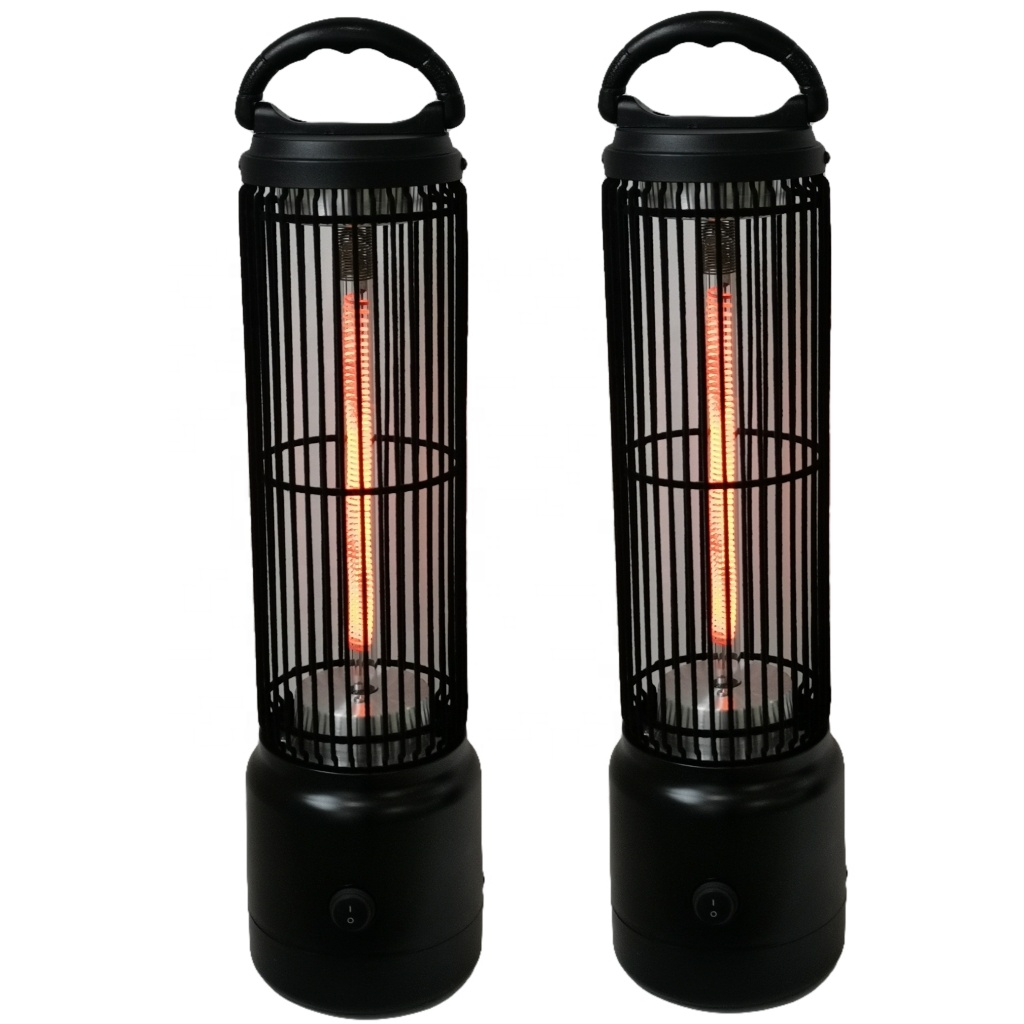
We’ve all been there. You step out of a hot shower into a freezing bathroom, flip the switch on those old-school heat lamps, and… nothing. You’re just standing there in the cold, staring at a bright orange light that feels like it’s warming the air three feet away from you, but not actually you. Those old incandescent bulbs are basically energy hogs that hate humidity. They burn out fast and don’t really do the job. That’s why we’re moving toward high-IP infrared heaters. It’s a completely different way of staying warm. The secret is in how the heat moves. Most heaters try to warm up the air in the room. But if you’ve got a draft or a leaky window, that warm air just vanishes. Infrared is different. It sends out waves that hit your skin and the walls directly. It feels instant. You don’t have to wait for the room to heat up; you feel the warmth the second you turn it on. We use short-wave emitters for this because they pack a ton of heat into a tiny space. It’s efficient and, more importantly, it actually works. Dealing with the steam Bathrooms are brutal on electronics. Between the steam and the occasional splash, a cheap heater is basically a ticking time bomb of corrosion and short circuits. To stop that from happening, we focus heavily on the IP rating—which is just a fancy way of saying “how well this thing keeps water out.” We use tight gaskets and sealed cable entries to make sure moisture never touches the electrical terminals. Without that seal, the wiring inside just oxidizes and dies. Simple as that. The nitty-gritty details We usually go with quartz glass tubes. Why? Because quartz can handle “thermal shock.” That’s what happens when a freezing, damp tube suddenly gets blasted with heat. It doesn’t crack. Plus, we add a special coating to the glass. Nobody wants to be blinded by a giant orange glare while they’re brushing their teeth, so this coating softens the light while keeping the heat. One quick heads-up: these things pull a lot of power. If you try to plug a 2000W unit into a circuit that’s already juggling a vent fan and a bunch of bright lights, you’re going to trip your breaker. It’s a pain to deal with, so just make sure your wiring can actually handle the load before you install one. It’s worth the extra check to avoid sitting in the dark.