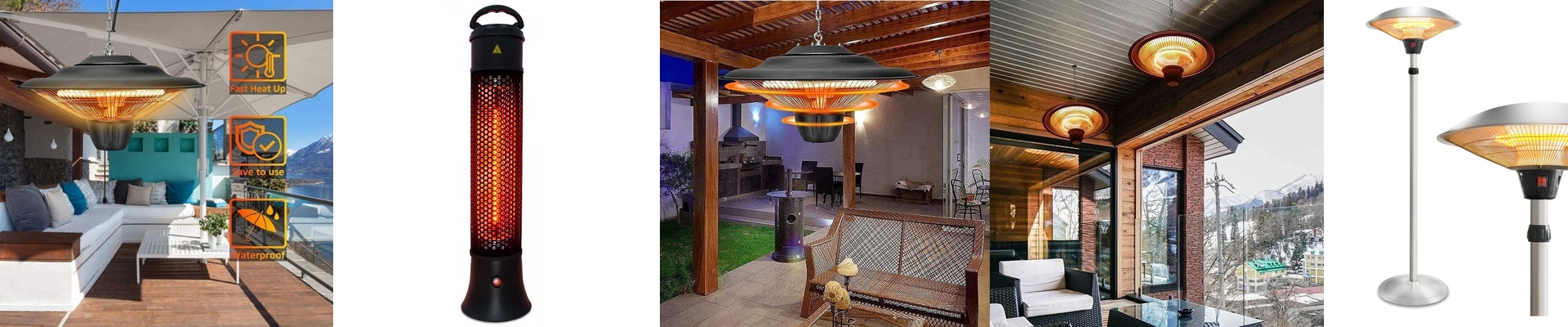
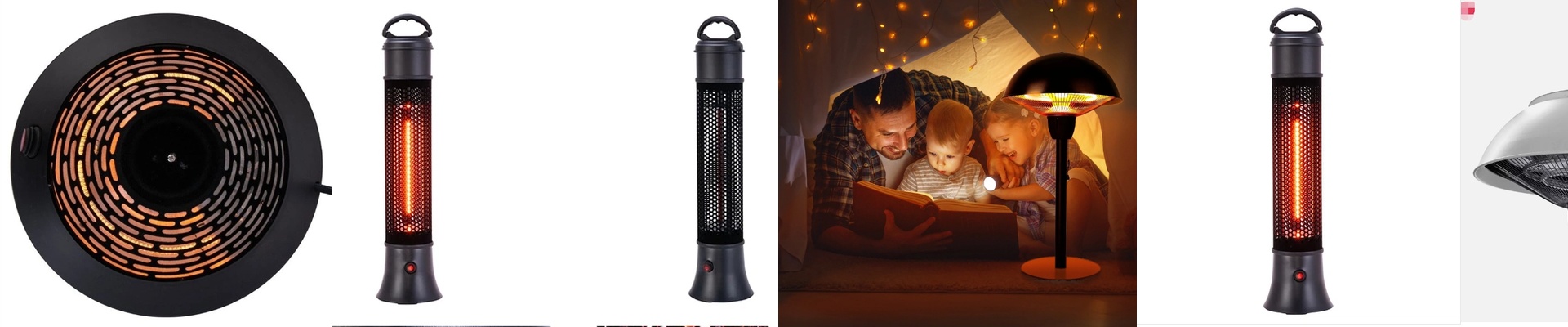
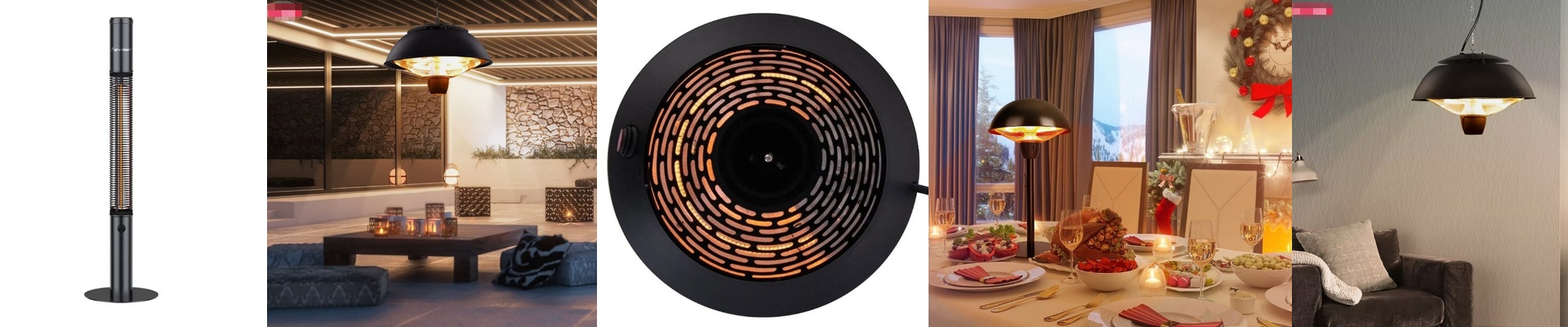
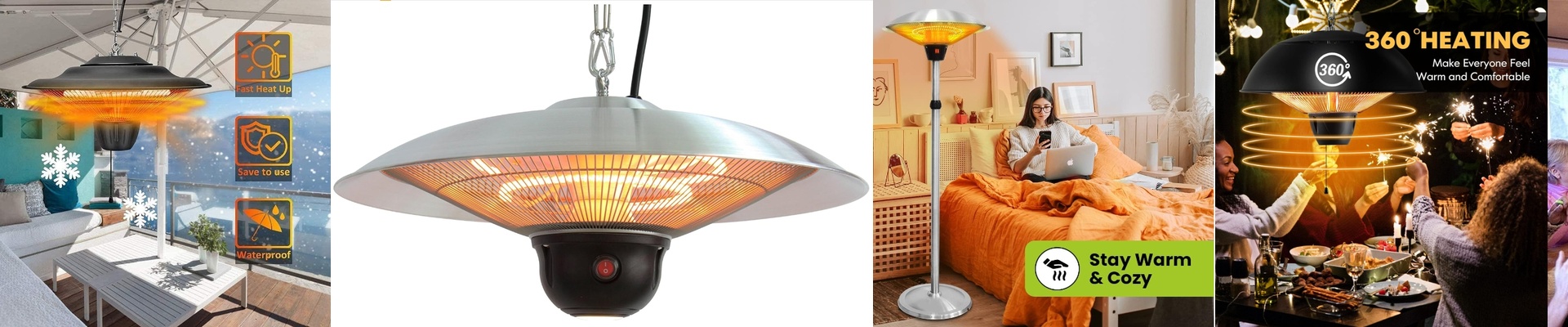
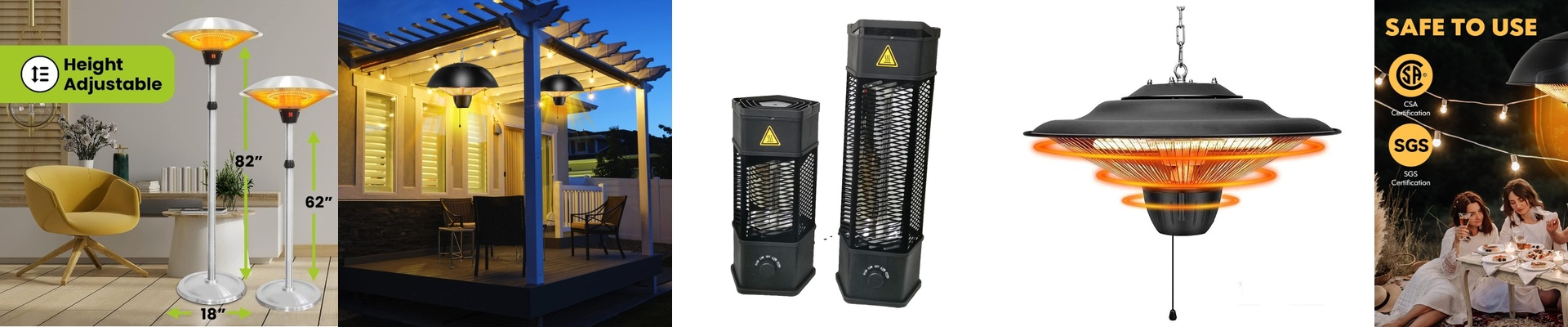
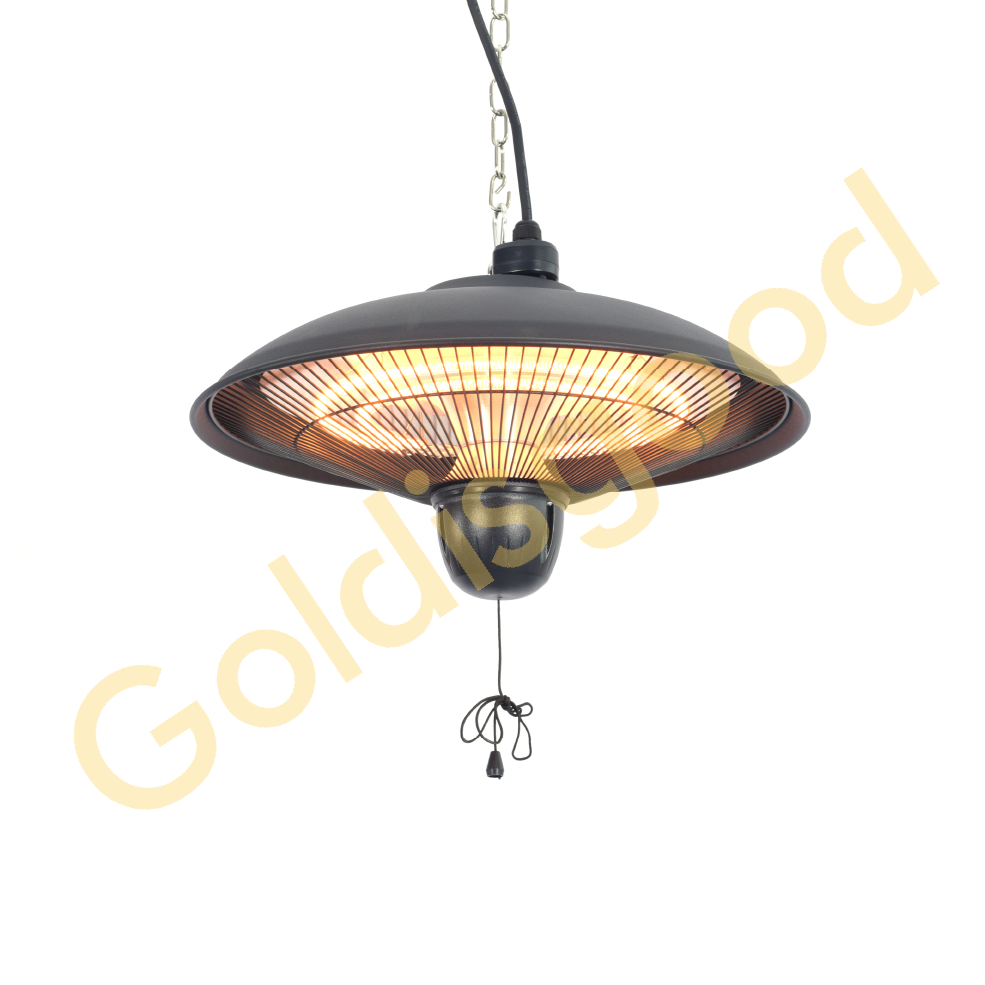
How 1500W Infrared Ceiling Heaters Actually Work
If you’ve ever tried to heat a gazebo or a semi-open changing area with a standard space heater, you know the struggle. You turn it on, the air gets warm for a second, and then—poof—a breeze comes through and takes all that warmth with it. That’s because most heaters try to warm the air. But infrared is different. It doesn’t care about the air. It sends energy straight to you and the things around you. It’s like standing in the sun on a crisp October morning. You feel the heat instantly, even if the air is still chilly. Why 1500W? When you’re dealing with the outdoors, you’re fighting a losing battle against the wind. You need some real muscle to push through that cold gap. That’s where the 1500W power comes in. The best part? There’s no “warm-up” period. You flip the switch and you feel it. Right away. No waiting around for the room to slowly heat up while you’re shivering in your towel. Getting the Install Right Since these go on the ceiling, the shape of the reflector is everything. We’ve designed ours to push the heat down in a tight cone. Cheap heaters often let the warmth pool up at the ceiling, which is basically just heating your roof for no reason. We make sure the heat goes where you actually are: downstairs. One quick heads-up on the electrics: 1500W is a decent pull on your power. If you’re planning to put a few of these in one area, don’t just plug them all into one circuit. You’ll likely trip your breaker. It’s smarter to split the phases so everything runs smooth. A Few Things to Keep in Mind Here’s the trade-off. To get that kind of heat in a small package, the fixture itself gets pretty hot to the touch. You have to be smart about where you mount them. If they’re too low, someone might accidentally touch the housing and get burned. If they’re too high, you lose that “instant warmth” feeling because the intensity fades over distance. We usually suggest a clearance of at least 2.2 meters. It’s the sweet spot. You get a nice, wide spread of heat, but the hardware stays safely out of reach.