

Why Your Bathroom Heater Keeps Dying (and How to Fix It)
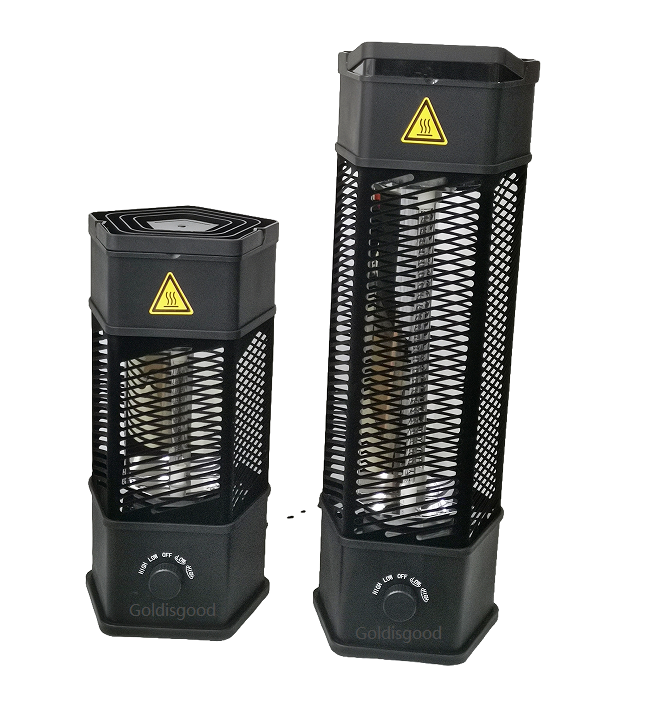
Let’s be honest: those old-school bathroom lamp heaters are kind of a joke. You turn them on, wait forever, and they still feel like they’re barely fighting off the morning chill. Worse yet, they tend to burn out way too fast. The problem is simple. Bathrooms are wet. Steam, splashes, and humidity are basically poison for standard heating elements. That’s why we’ve moved toward high-IP rated infrared heaters. If you aren’t familiar with “IP ratings,” just think of it as a shield. These units use tight gaskets and sealed housings to keep moisture away from the electrical guts. No more short-circuits. No more “pop” followed by a dark, cold room. Here is the cool part: radiant heat doesn’t bother warming up the air. In a steamy bathroom, hot air just floats up to the ceiling where it does nothing for you. Infrared heat is different. It beams the warmth straight down to your skin. It feels like standing in a patch of sunlight on a winter day. The nitty-gritty on the tech We use short-wave infrared emitters made from high-purity quartz glass. Why? Because short-wave heat hits faster and penetrates deeper. You feel it the second you flip the switch. But a quick heads-up on the power side of things. You have to match the wattage to your room size. If you put a low-wattage unit in a massive bathroom with a draft, you’re just wasting electricity. On the flip side, if you go for a heavy-duty high-wattage beast, make sure your wiring can actually handle it. Nobody wants to trip the circuit breaker right in the middle of a shower. A few tips for installation Most of these are designed to drop right into your old fixtures, which is great. But here is where people mess up: the seal. If the unit isn’t sitting perfectly flush against the ceiling, steam will find a way in. It’ll seep right into the junction box, and you’re back to square one. Make it tight. One last thing—these things gethot. Like, really hot. Give the unit some breathing room. If you jam it too close to plastic trim or cheap drywall, you’re going to end up with scorched ceilings or, worse, a melted mess. Give it some space, and you’re golden.