

IR Heating vs. Hot Air: Why Your Wafer Tooling is Slow
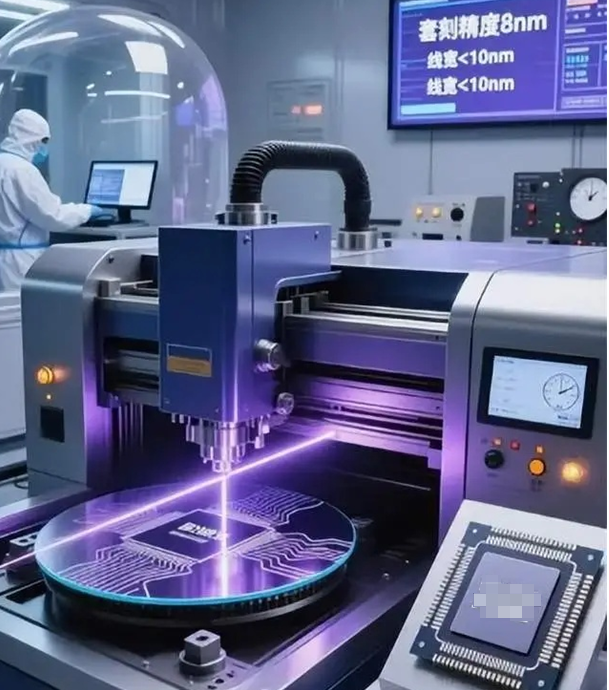
If you’re still using hot air circulation for semiconductor deep processing, you’re probably spending way too much time just waiting. See, hot air is all about convection. You have to heat the entire chamber—every cubic inch of air—before the wafer itself even starts to get warm. It’s a slog. There’s this massive lag that just eats into your day. It’s all about the clock. IR heating handles things differently. It doesn’t bother with the air; it just shoots radiant energy straight at the wafer. It’s fast. Really fast. Instead of waiting for a fan to push warm air around, photons hit the material and get things moving immediately. Your ramp-up and ramp-down times basically vanish. When you cut that lag, your throughput shoots up. Plus, you get way better control. With hot air, you’ve always got to worry about “cold spots” caused by air pockets or weird turbulence. It’s a headache. With IR arrays, we can actually zone the heat. We just tweak the lamp layout to make up for the heat loss at the edges, and suddenly your uniformity is locked in. But here’s the catch: you can’t be lazy with the hardware. Because IR reacts so quickly, you need a high-speed sensor and a really tight PID loop. If your sensor is sluggish, you’ll overshoot your target and burn the wafer before the system even realizes it needs to kill the power. The trade-off you need to know. IR is a powerhouse, but it’s directional. It only heats what it can “see.” If your tool has deep trenches or complex 3D shapes, you’re going to run into shadowing. You can’t just slap an IR lamp into an old convection tool and call it a day. You’ll have to rethink the whole footprint to make sure you have a clear line-of-sight to the substrate.