


Cutting Carbon in the Fab: Why IR Heating Actually Works
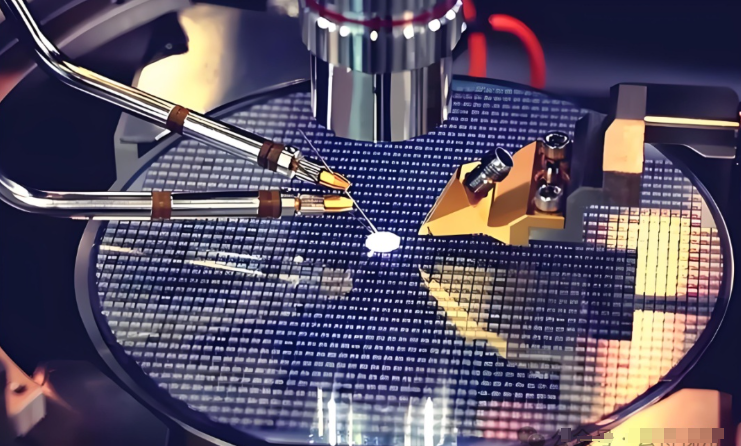
If you’re trying to hit carbon neutrality in a semiconductor fab, you quickly realize that just buying “green energy” credits isn’t enough. You have to get your hands dirty with the thermal loads. Think about traditional resistive heating or those big convection ovens. They’re basically energy hogs. They spend half their time heating up the air and the chamber walls before the wafer even notices a temperature change. It’s a waste. That’s why we move toward targeted infrared (IR) lamp systems. We stop heating the room and start heating the part.
Getting the heat where it belongs
IR is all about radiant energy. Instead of waiting for the air to get hot, the lamps shoot photons straight at the surface. It’s fast. Really fast. Because the ramp-up time drops, the wafer spends less time baking. That means fewer kWh per batch and a much lighter load on your power bill. Depending on what you’re working with, we pick the wavelength to match. Shortwave if you need a quick surface hit, or medium-wave if you need the heat to soak deeper into a thicker substrate.
The reality of the clean room
Now, you can’t just swap a lightbulb and call it a day. In a fab, particle contamination is the enemy. One stray flake and your yield plummets. To stop outgassing during the bake-out, we use specialized coatings and quartz envelopes. The best part? These IR arrays take up way less space than a massive oven. It gives you some breathing room on the floor. As long as your power distribution can handle the concentrated load, these arrays slide right into your existing toolsets.
The trade-offs (because nothing is perfect)
Here’s the catch: IR is powerful, but it’s picky. It creates steep thermal gradients. If your lamp is off by just a few millimeters, you’ll end up with hot spots on your wafer. To stop that from happening, you need rock-solid PID controllers and sensors to keep everything uniform. And one more thing. Those high-wattage lamps throw a lot of heat out the back of the array. If your HVAC and cooling loops aren’t beefy enough to pull that waste heat out of the clean room, you’re going to start triggering alarms. It takes a bit more finesse to set up, but the energy savings make it worth the headache.