

IR Heating vs. Forced Air: Which one actually works in a cleanroom?
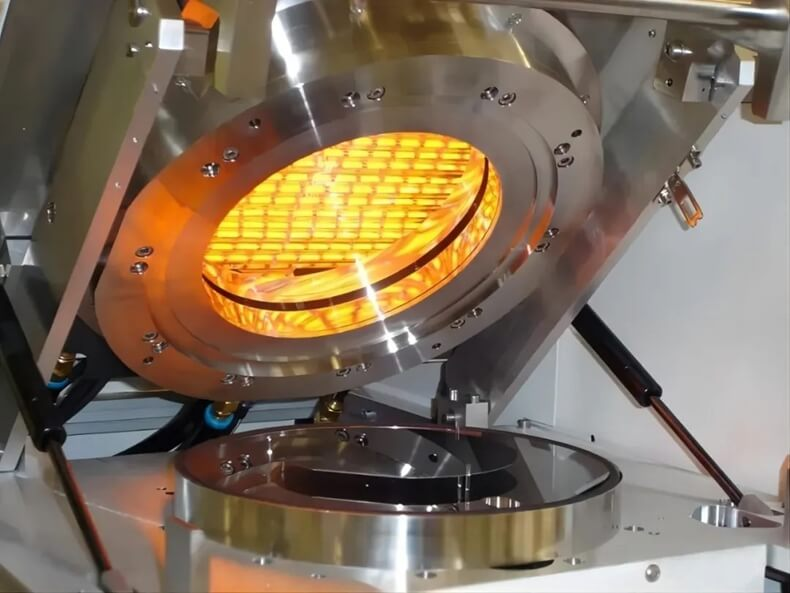
When you’re dealing with semiconductor deep processing, you usually end up picking between two ways to get things hot: the old-school forced-air approach or infrared (IR) heating. The air route is basically just blowing hot gas around until the part warms up. IR is different. It’s electromagnetic radiation that hits the target directly. No middleman.
The waiting game
If you’ve ever used forced-air, you know the lag. It’s frustrating. You have to heat the air, then the chamber walls, and then finally the part itself. It feels like you’re just standing around waiting for the equipment to catch up. IR heaters just skip all that. The energy goes straight into the material. It turns “minutes of waiting” into “seconds of waiting.” In a high-volume fab, that’s a massive deal. You stop paying to heat the air in the room and start putting that power exactly where it belongs—into the wafer. It just makes the whole day move faster.
The cleanroom headache
Let’s talk about the mess. Moving air is a nightmare in a cleanroom because it kicks up dust and particles. To stop that, you end up spending a fortune on HEPA filters and these giant, high-pressure fans that make everything vibrate. It’s noisy, clunky, and expensive. IR heaters just sit there. No blowers to break, no filters to swap out. Your setup gets smaller, and you get rid of one of the biggest reasons your environment gets contaminated in the first place. It’s just… quieter.
The catch
Now, IR isn’t a magic wand. It has its quirks. Since it’s a line-of-sight technology, it only heats what it can “see.” If your part has weird shapes or deep pockets, you’re going to hit some cold spots. You have to be really careful with your reflector angles to make sure the heat is hitting every corner evenly. And because the heat is so intense, you can’t just “set it and forget it.” You need a tight PID controller. If your feedback loop is off, you’ll overshoot your temp and fry your substrate before you even realize what happened. It takes a bit more precision to set up, but once it’s dialed in? It’s a completely different experience.