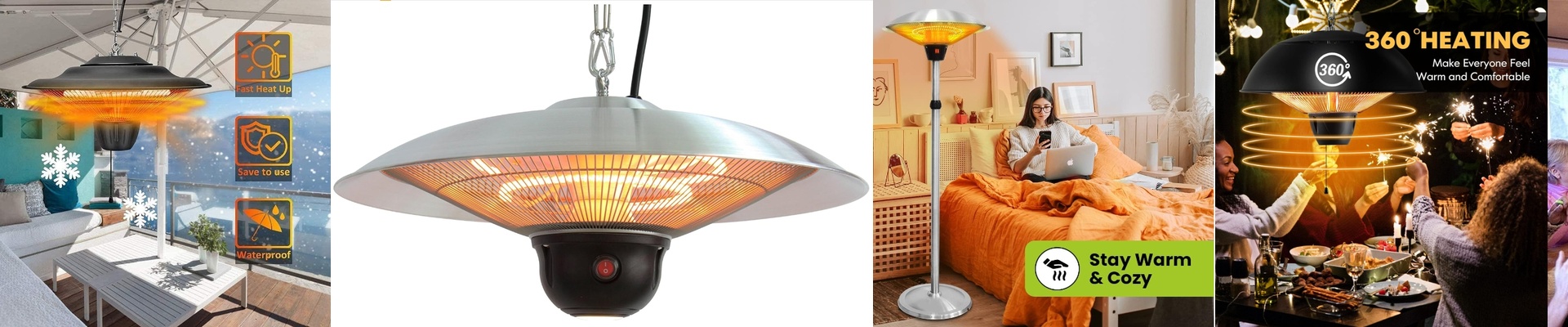
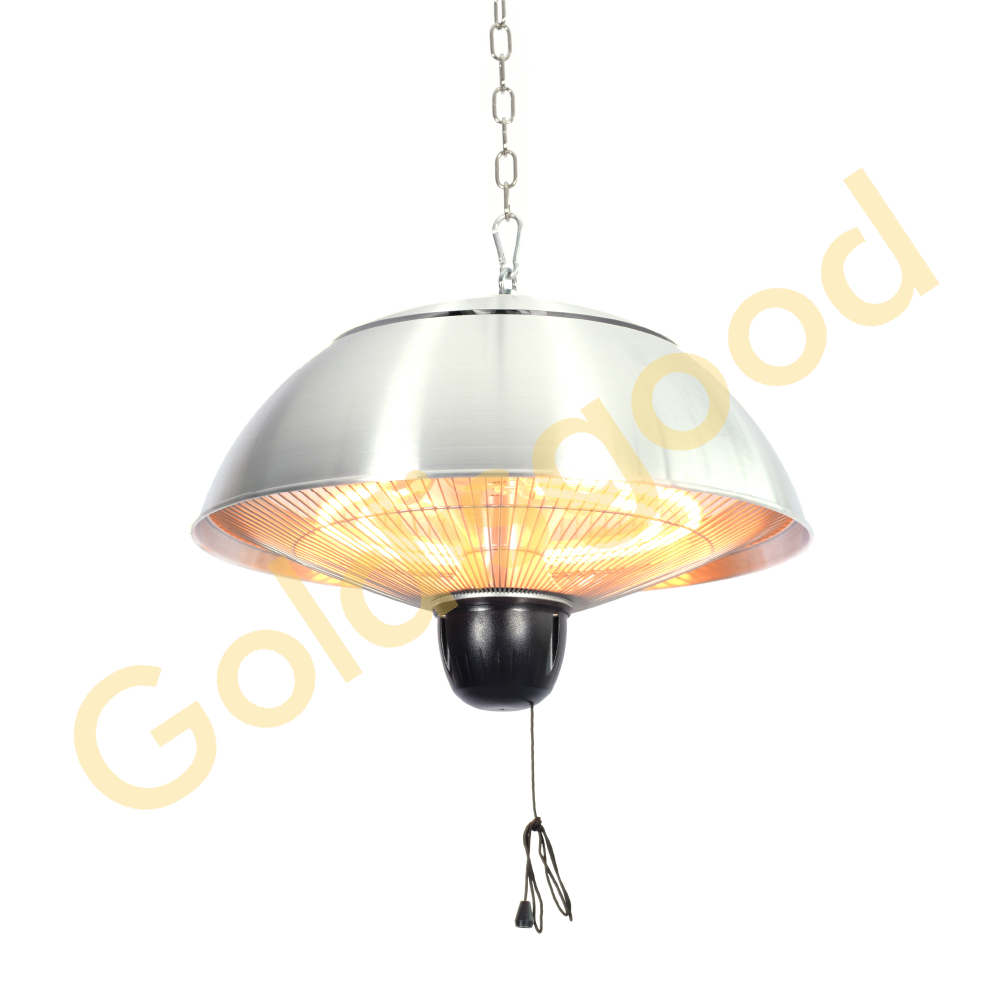
Outdoor infrared heaters have a tough life. They’re stuck in a constant tug-of-war between freezing rain and blistering heat. Now, you’ll see a lot of heaters boasting an IP66 rating. On paper, that means the box can handle the rain. But here’s the catch: the spot where the power cable actually enters the unit is usually where things go south. Cheap heaters rely on basic rubber grommets. They work for a while, but then the heat kicks in. The rubber hardens, it cracks, and suddenly you’ve got a gap. Once moisture hits those hot terminals? You’ve got a short circuit. Simple as that. The heat trap Think of the cable entry point as a bottleneck. In most standard builds, the heat from the quartz tube travels right back along the wires. If the sealant isn’t built for that kind of constant roasting, it starts to shrink and degrade. That’s when the bad stuff happens. Humidity and salt spray find that tiny gap and seep right in. We do things differently. We use industrial-grade, high-temp silicone potting and specialized compression seals. It’s not just about keeping the rain out—it’s about making sure the insulation doesn’t literally burn up. We spend our time obsessing over that transition zone where the rigid heater meets the flexible cable. Why the details matter Most “waterproof” heaters are only waterproof in a lab at room temperature. The real world is a lot messier. To stop the leaks, we use a few layers of protection: First, we encapsulate the connection in high-temp epoxy. Then, we add adhesive-lined heat-shrink sleeves. Finally, we use compression glands that keep a tight grip even as the materials expand and contract with the temperature. This stops “wicking.” That’s the annoying process where moisture actually travels inside the cable jacket, sliding straight into the electrical contacts. One quick tip for setup There is a trade-off here. Because the seal is so tight, the lead wire is a bit stiffer than usual. Just a heads-up: don’t bend these cables sharply right where they enter the heater. If you force a tight kink, you’ll probably break the seal and ruin that IP66 protection. Just give it a gentle curve and you’re golden.