Why IP65 Infrared Heaters are Winning the Bathroom War
Let’s be honest: most bathroom heaters are a joke. You turn them on, wait ten minutes, and you’re still shivering because the heat just floats up to the ceiling or vanishes the second a draft hits. Worse yet, they usually die a premature death because they just aren’t built for a room full of steam. That’s why we’re seeing everyone move toward IP65-rated infrared heaters. They actually handle the moisture without giving up the ghost.
The deal with IP65 and steam
If you’ve ever wondered what “IP65” actually means in the real world, it basically means the thing is sealed tight. No dust gets in, and water jets can’t penetrate the shell. In a bathroom, you’ve got splashes and thick clouds of steam. Those old-school lamp warmers usually have tiny gaps in the housing. Vapor settles in those cracks, causes a short, or just rusts the contacts until the unit burns out. We seal these units shut so the guts stay dry. It’s the difference between a heater that lasts a season and one that lasts years.
Stop heating the air, start heating yourself
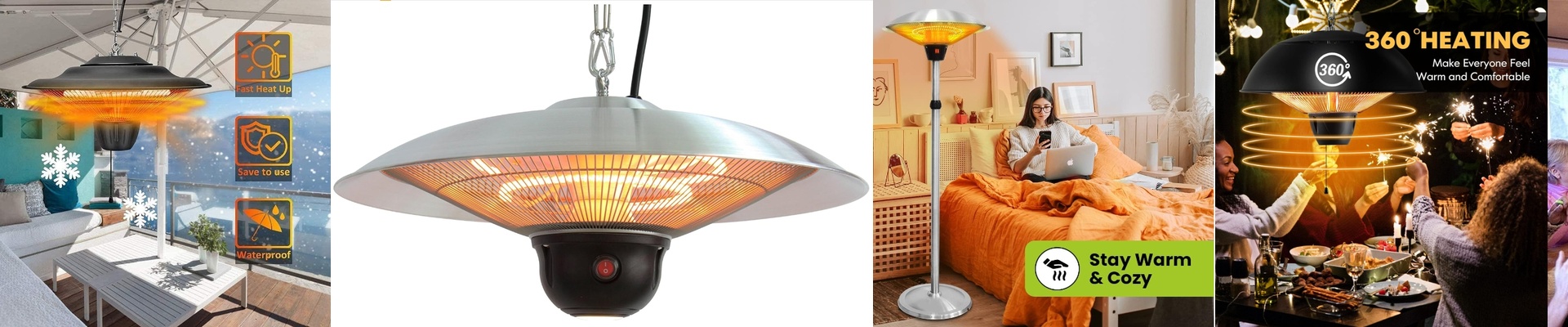
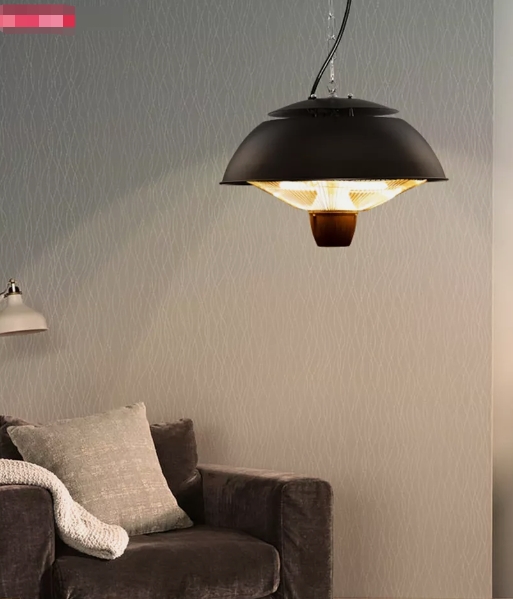
Here is the thing about traditional heaters: they try to warm the air. But in a drafty bathroom? That’s a losing battle. Infrared is different. It doesn’t care about the air temperature. It sends out warmth that hits you and your surfaces directly. It’s an immediate, cozy feeling—like stepping into a patch of sunlight on a cold day. We use short-wave emitters because they pack a lot of punch into a small space. You get a slim, clean look on your ceiling without losing any of the heat.
A quick heads-up on installation
Now, you can’t just swap a lightbulb for one of these and call it a day. These units pull more power. If your wiring is too thin or your circuit is already crowded, you’re going to trip your breakers the second you flip the switch. It’s frustrating, and it’s avoidable. We always suggest running a dedicated line for high-wattage setups. And while the IP65 shell keeps the water out of the heater, you still need to seal your external junctions properly. If you don’t, corrosion will eventually find a way in. Get the wiring right, and you’ve got a heater that can take a beating from steam for a long, long time.